Tech Neck: The Modern Postural Strain and How Osteopathy in Wantirna Can Help
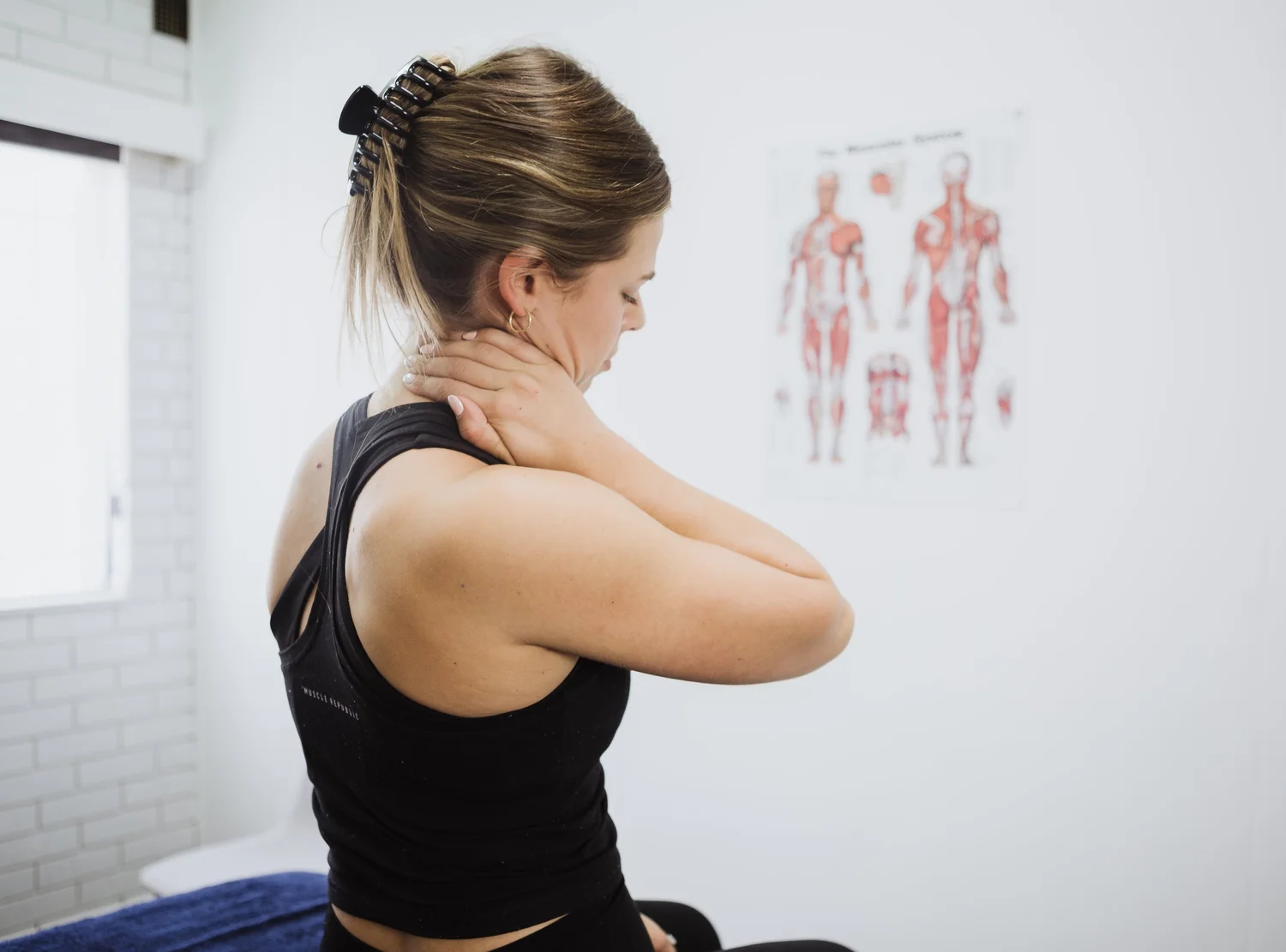

In our digital world, the term "tech neck" has become commonplace — but the pain it describes is very real. Also known as text neck or forward head posture, tech neck is a modern postural syndrome caused by prolonged use of smartphones, tablets, and computers. This habitual position places extraordinary strain on your neck, shoulders, and upper back, leading to a cascade of musculoskeletal issues.
Osteopathy provides an effective, holistic approach to managing and reversing tech neck. We don't just treat the symptoms; we assess your entire posture and movement patterns to address the root cause of the strain.
Key Facts About Tech Neck
For every inch your head moves forward from its neutral alignment, the effective weight on your cervical spine increases significantly — from about 5kg to over 20kg. The changes often happen gradually: muscles become chronically tight, joints stiffen, and fascia adapts to the poor position, making it feel "normal." Tech neck can cause headaches, jaw pain, shoulder impingement, and even affect breathing and digestion due to compression in the upper body.
Common Causes and Contributing Factors
Prolonged Device Use: Spending hours looking down at phones or leaning forward to computer screens. 2. Poor Ergonomics: Workstations not set up for neutral posture — monitors too low, chairs without support, desks at the wrong height. 3. Weak Postural Muscles: Weakness in the deep neck flexors, upper back, and core muscles fails to counteract the forward pull. 4. Tight Chest and Shoulder Muscles: Shortening of the pectoral and upper trapezius muscles pulls the shoulders forward and the head down. 5. Repetitive Strain: The constant, small muscle adjustments to hold the head forward lead to fatigue and micro-trauma.
Common Signs and Symptoms
Aching pain and stiffness in the neck, across the shoulders, and between the shoulder blades. Tension-type headaches, often originating from the base of the skull (suboccipital region). Reduced mobility — difficulty turning your head fully or looking up without discomfort. Shoulder and jaw pain from referred tension in the trapezius muscles and TMJ. Numbness or tingling may radiate into the arms or hands if nerves become irritated. Visible postural changes: rounding of the shoulders and a forward head position.
How Can Osteopathy Help with Tech Neck?
Osteopathic management focuses on releasing accumulated tension, restoring normal joint mobility, re-educating posture, and strengthening the body's supportive framework. During the initial consultation: detailed history of symptoms, daily device use, and work environment; comprehensive postural assessment to evaluate degree of forward head posture, shoulder rounding, and spinal alignment; and physical examination assessing mobility of cervical and thoracic spine, rib cage, and shoulder girdle, and palpating for areas of muscle tension and fascial restriction.
Treatment uses gentle, hands-on techniques to: release muscle and fascial tension through soft tissue massage, myofascial release, and stretching of tight pectorals, upper trapezius, suboccipital, and scalene muscles; restore spinal and rib mobility through gentle articulation and mobilisation of the neck and upper/mid-back; address nerve irritation to alleviate pressure on irritated nerves causing arm or hand symptoms; improve scapular stability to enhance function and positioning of the shoulder blades; and provide personalised advice and rehabilitation including ergonomic optimisation (raising screens to eye level), postural re-education exercises, targeted strengthening of deep neck flexors/lower trapezius/rhomboids, and strategies for regular movement breaks.
When to Seek Further Medical Help
Please consult your GP for severe, unremitting pain or headaches; numbness, weakness, or pain that radiates significantly down your arms; dizziness, vertigo, or visual disturbances associated with neck movement; symptoms following trauma like whiplash; or no improvement despite conservative postural changes and care.
Disclaimer: This blog post provides general information only and is not intended as a substitute for professional health advice, diagnosis, or treatment. Always consult a registered health practitioner, such as your GP or osteopath, for diagnosis and treatment of health conditions. Individual results from osteopathic treatment may vary based on the individual's specific condition, adherence to postural advice, and response to care.
