Tension-Type Headaches: Breaking the Cycle of Pain with Osteopathy
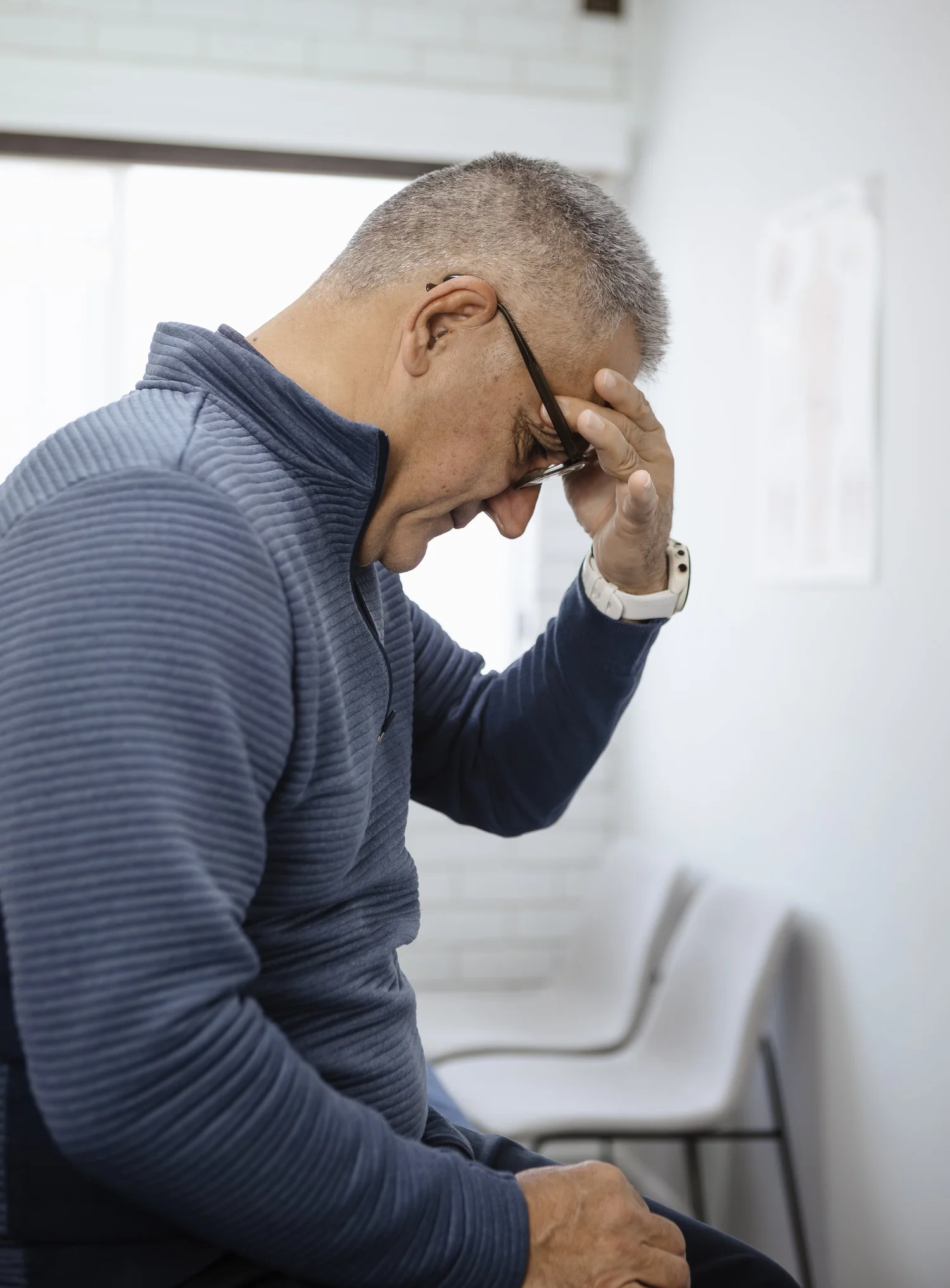

That familiar feeling of a tight band around your head or a constant pressure at your temples is likely a tension-type headache (TTH). As the most common type of primary headache, TTH can significantly impact daily life, work, and wellbeing. Unlike migraines, they are typically not associated with nausea or light sensitivity, but they can be just as persistent and debilitating.
Osteopathy offers a drug-free, holistic approach to managing tension-type headaches by addressing the musculoskeletal drivers that often contribute to their onset and persistence.
Key Facts About Tension-Type Headaches
Tension-type headaches affect up to 80% of the population at some point in their lives, with chronic forms impacting about 3% of adults. TTH is classified as a primary headache — the headache itself is the condition, not a symptom of another disease. They can be episodic (occurring less than 15 days per month) or chronic (15 or more days per month for over 3 months).
Common Causes and Triggers
TTH is strongly linked to heightened muscle tension and stress. Key triggers and contributing factors include: 1. Musculoskeletal Dysfunction: Dysfunction in the upper cervical spine (C0-C3) and muscles of the head, neck, and shoulders — including joint stiffness, hypertonicity in the suboccipital muscles/trapezius/sternocleidomastoid, and trigger points that refer pain to the head. 2. Postural Strain: Prolonged poor posture such as "tech neck" places sustained stress on muscles and joints. 3. Stress and Anxiety: A well-established trigger leading to involuntary muscle contraction and nervous system arousal. 4. Jaw Clenching (Bruxism): Placing strain on the temporalis and masseter muscles, which can refer pain to the temples and forehead. 5. Dehydration, Eye Strain, and Fatigue: Common lifestyle factors that lower the headache threshold.
Common Signs and Symptoms
Pain quality: a constant, dull, pressing, or tightening sensation — often described as a tight band or vice around the head. Pain location: typically bilateral, commonly felt in the forehead, temples, or back of the head and neck. Mild to moderate intensity: usually not severe enough to prevent daily activities. No associated neurological symptoms: unlike migraines, typically no nausea, vomiting, or sensitivity to light and sound. Muscle tenderness on palpation of the neck and scalp muscles.
How Can Osteopathy Help with Tension-Type Headaches?
Osteopathic treatment is centred on a thorough assessment to identify and treat the specific musculoskeletal dysfunctions contributing to your headache pattern. During the initial consultation: detailed history of headache pattern, triggers, lifestyle, and any neck injury history; physical examination with focus on posture and mobility of the cervical and thoracic spine; and palpation for areas of joint restriction, muscle hypertonicity, and fascial tension in the neck, shoulders, and jaw.
Treatment uses gentle, hands-on techniques to: reduce cervical spine tension through gentle articulation and mobilisation of the upper cervical joints and rest of the neck; release muscle hypertonicity and trigger points using soft tissue massage, myofascial release, and stretching of the suboccipital, trapezius, and pericranial muscles; address postural drivers by extending treatment to the thoracic spine and ribs to improve overall posture; improve fascial glide through techniques to release restrictions in the connective tissue of the scalp, neck, and shoulders; and provide personalised advice on ergonomics, postural awareness, stress management techniques, targeted neck and shoulder stretches, and lifestyle modifications including hydration, sleep, and movement breaks.
When to Seek Medical Help
Please consult your GP for an initial diagnosis to rule out other headache types or underlying conditions. Seek urgent medical attention if you experience a headache that is: sudden, severe, and unlike any you've had before ("thunderclap headache"); accompanied by fever, stiff neck, confusion, seizures, double vision, or weakness/numbness; worsens progressively over days or hours; or begins after a head injury.
Disclaimer: This blog post provides general information only and is not intended as a substitute for professional health advice, diagnosis, or treatment. Osteopaths are primary healthcare practitioners who can assess and treat musculoskeletal components of headache. Always consult a registered health practitioner, such as your GP or neurologist, for the diagnosis and medical management of headache disorders. Osteopathic care is a complementary approach and should be integrated with your overall healthcare plan. Individual results from osteopathic treatment may vary.
