
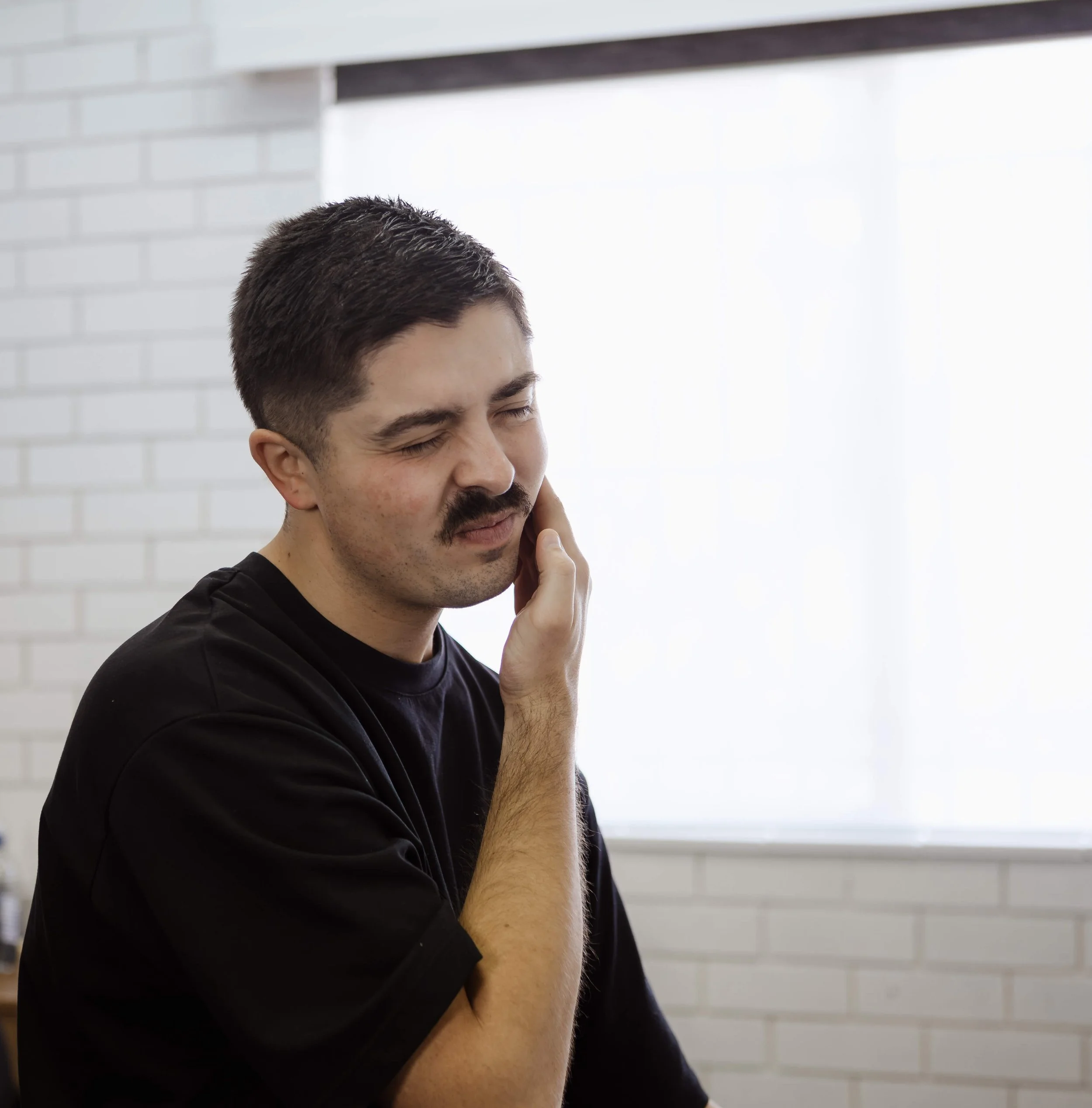
Another headache. Another day of jaw tension, teeth clenching, and that dull ache behind your eyes.
You've tried over-the-counter painkillers. You've tried resting in a dark room. You've tried ignoring it and pushing through. But the headaches keep coming back—and the tension in your jaw is affecting your sleep, your concentration, and your quality of life.
There's another way.
At Nudge Osteopathy in Wantirna, we look at treating headaches and jaw pain at their source. We don't just mask your symptoms—we identify why your headaches keep recurring and give your body what it needs to reset.
Headaches & Jaw Pain Treatment in Wantirna
Why Choose Nudge Osteopathy for Headaches & Jaw Pain?
✅ Thorough Experience in cervicogenic headaches, TMJ dysfunction, and tension-type headaches
✅ Thorough 45-60 minute assessments—we don't rush, we take your headache history seriously.
✅ Techniques for acute attacks and long-term prevention
✅ Evidence-informed approach combining manual therapy with practical self-management strategies
✅ Convenient Wantirna location—serving Knox, Boronia, Bayswater & Eastern suburbs
✅ HICAPS available—instant private health rebates
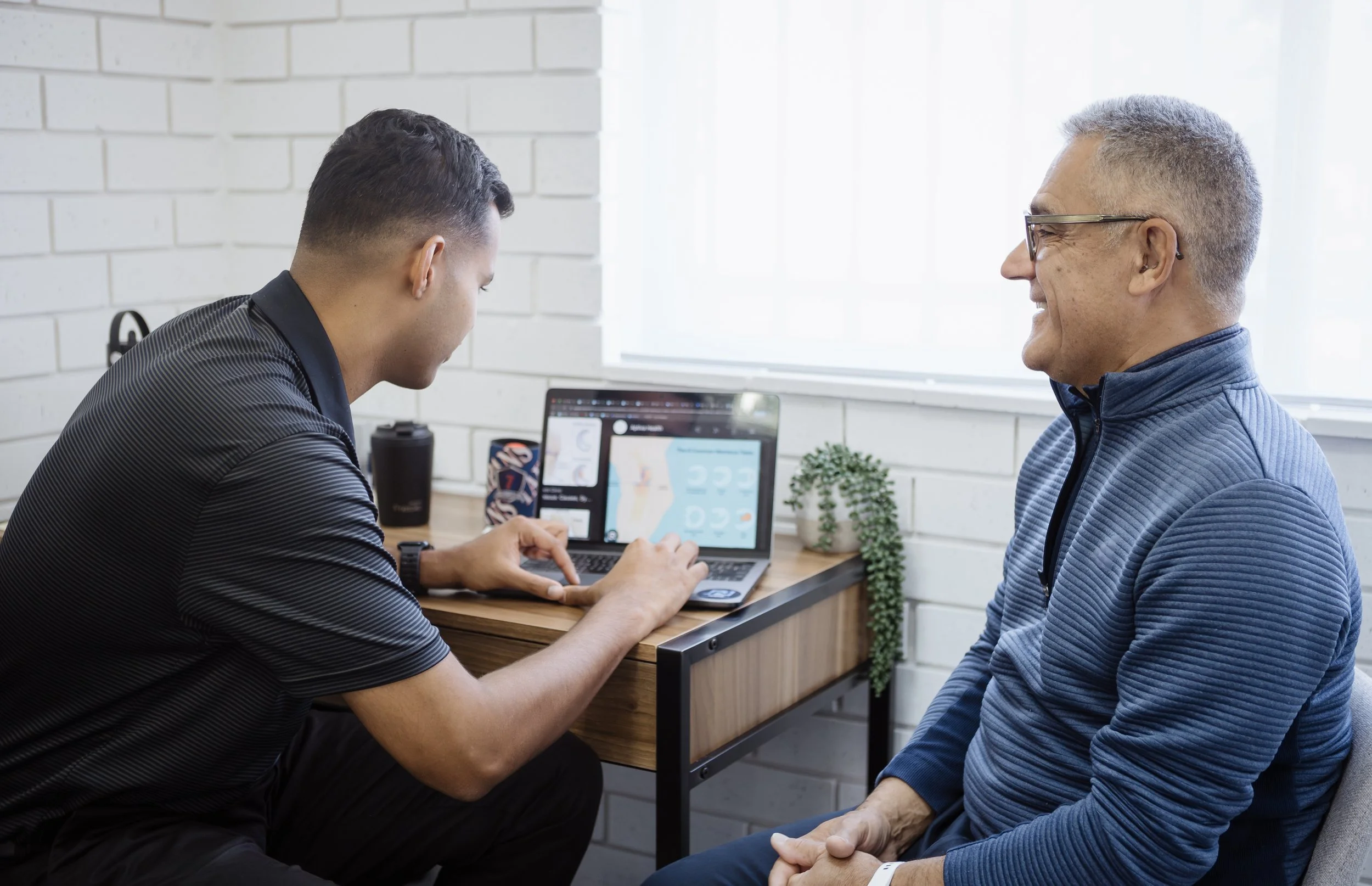
Most people don't realise that the jaw and the neck are mechanically inseparable.
Your temporomandibular joint (TMJ)—the hinge connecting your jaw to your skull—shares nerve pathways, muscle attachments, and fascial connections with your cervical spine. Dysfunction in one area almost always affects the other.
Common patterns we see:
Jaw clenching → tight masseter and temporalis muscles → tension-type headaches
Forward head posture → altered jaw position → TMJ strain
Neck stiffness → referred pain to the temple, forehead, or behind the eye
Teeth grinding (bruxism) → overworked jaw muscles → cervicogenic headaches
Whiplash or neck trauma → secondary TMJ dysfunction
This is why seeing an osteopath makes sense. We assess the entire region—neck, jaw, upper back, even your breathing pattern—to identify the true source of your pain.
The Hidden Connection: Why Your Headaches and Jaw Pain May Be Linked
Types of Headaches We Treat
-
The most common headache we see.
Description:
A dull, aching sensation across your forehead, temples, or the back of your head. Often described as a "tight band" around your skull. Scalp tenderness. Mild to moderate intensity.Common causes:
Muscle tension in the neck, shoulders, and jaw
Forward head posture
Stress and anxiety
Eye strain and prolonged screen use
Poor sleep positioning
How we help: Release tight suboccipital, trapezius, and masseter muscles. Improve cervical spine mobility. Address postural drivers. Provide stress-reduction strategies and ergonomic advice.
-
Headaches that originate in your neck—not your head.
Description:
Pain that starts at the base of your skull and radiates forward to the forehead, temple, or behind the eye. Usually one-sided. Associated with neck stiffness, reduced range of motion, and tenderness over the upper cervical vertebrae.Common causes:
Restricted joint movement in the upper neck (C0-C1, C1-C2, C2-C3)
Whiplash or previous neck injury
Chronic poor posture
Osteoarthritis of the cervical spine
How we help: Gentle, specific mobilisation of restricted upper cervical joints. Release of suboccipital and cervical musculature. Postural re-education. The results are often dramatic—many patients experience significant reduction in headache frequency and intensity within 2-4 sessions.
-
Complex neurological events, often with multiple triggers.
Description:
Moderate to severe throbbing pain, often one-sided. May be preceded by aura (visual disturbances, tingling, difficulty speaking). Associated with nausea, vomiting, and extreme sensitivity to light and sound. Can last hours to days.Common triggers:
Hormonal fluctuations
Certain foods and dehydration
Stress and sleep disturbance
Musculoskeletal dysfunction—this is where we help
How we help: While we don't "cure" migraines, we can often reduce their frequency, intensity, and duration. We address musculoskeletal contributors—neck stiffness, jaw tension, postural stress—that lower your threshold for migraine attacks. Many patients find that regular osteopathic care helps them need less medication and experience more good days.
-
Headaches that originate from your jaw.
Description:
Pain in the temples, cheeks, or around the ear. Associated with jaw clicking/popping, difficulty opening wide, pain when chewing, and tender jaw muscles. Often worse upon waking (from nighttime teeth grinding).Common causes:
Bruxism (teeth grinding/clenching)
Jaw misalignment
Disc displacement within the TMJ
Arthritis of the jaw joint
Previous dental work or trauma
How we help: Intra-oral and extra-oral techniques to release hypertonic jaw muscles (masseter, temporalis, pterygoids). Gentle joint mobilisation to improve TMJ mechanics. Postural advice to unload the jaw. Breathing retraining (mouth breathers often develop TMJ issues). Collaboration with your dentist when appropriate.
-
Description:
Excruciating, one-sided pain around the eye or temple. Occurs in clusters—repeated attacks over weeks or months, followed by remission periods. Less common but severely debilitating.How we help: While cluster headaches are primarily a neurological condition, we can address associated musculoskeletal tension and provide supportive care during active cycles.

Understanding Your Jaw: TMJ Dysfunction Explained
Signs You May Have TMJ Dysfunction:
Clicking, popping, or grating sounds when you open or close your mouth
Pain or tenderness in your jaw, temples, ear, or cheeks
Difficulty opening wide—can you fit three knuckles vertically between your front teeth?
Jaw locking—open or closed
Facial muscle fatigue after chewing
Teeth grinding or clenching (you may not know you do it—your partner might tell you)
Worn, chipped, or sensitive teeth
Morning headaches or jaw ache upon waking
Ringing in the ears (tinnitus) —sometimes associated with TMJ dysfunction
Common Causes of TMJ Pain:
Bruxism - Clenching or grinding teeth—often stress-related or sleep-disordered
Arthritis - Osteoarthritis or inflammatory arthritis affecting the joint
Disc displacement - The cushion between your jawbone and skull moves out of place
Trauma - Whiplash, direct blow to the jaw, or dental procedures requiring prolonged opening
Posture - Forward head posture changes jaw position and loads the TMJ
Hypermobility - Ligamentous laxity leading to recurrent subluxation
Stress - Increased muscle tension, clenching, and altered breathing patterns
Phase 1: Comprehensive Assessment (Your First Visit)
Your first appointment is 60 minutes. Headaches and jaw pain are complex—we need to understand your complete picture.
We'll take a detailed history:
When did your headaches start? How often do they occur?
Where is the pain located? What does it feel like?
What triggers your headaches? What helps?
Do you have jaw symptoms—clicking, locking, pain with chewing?
Have you seen your dentist? Do you wear a night guard?
Sleep quality, stress levels, hydration, diet, screen time
Previous injuries—whiplash, falls, dental trauma
We'll perform a physical examination:
Cervical spine assessment: Range of motion, joint mobility, segmental restriction
TMJ assessment: Active and passive mouth opening, deviation patterns, joint sounds, end-feel
Muscle assessment: Palpation of masseter, temporalis, pterygoids, suprahyoids, suboccipitals, upper trapezius
Postural assessment: Head position, shoulder symmetry, thoracic curve, breathing pattern
Neurological screening: Cranial nerve function, reflexes, sensation
You'll leave knowing:
What type(s) of headaches you're experiencing
Whether your jaw is contributing to your symptoms
The specific restrictions and tensions driving your pain
Your personalised treatment plan
Expected recovery timeline
Our 3-Phase Approach to Headaches & Jaw Pain
Phase 2: Personalised Treatment
Your treatment plan is tailored to your specific headache type and contributing factors.
Manual Therapy Techniques We Use:
For the Neck (Cervicogenic & Tension Headaches):
Suboccipital release: Sustained pressure on the small muscles at the base of your skull. Often provides immediate headache relief.
Upper cervical mobilisation: Specific movements to improve joint mobility at C0-C1, C1-C2, and C2-C3.
Occipital traction: Distraction to decompress the upper cervical spine.
Soft tissue therapy: Releasing tight upper trapezius, levator scapulae, and cervical paraspinals.
For the Jaw (TMJ Dysfunction):
Intra-oral release: Gloved work inside your mouth on the pterygoid muscles and masseter. Sounds confronting—patients find it profoundly relieving.
Extra-oral massage: Masseter, temporalis, and digastric release from the outside.
TMJ joint mobilisation: Specific movements to improve joint mechanics and reduce pain.
Disc reduction techniques: For acute disc displacement without reduction (locked jaw).
For the Upper Back & Posture:
Thoracic spine mobilisation: The upper back directly influences neck and jaw position.
Rib release: Tight ribs can refer pain to the head and face.
Pectoral stretching: Tight chest muscles encourage forward head posture.
Exercise & Rehabilitation:
Jaw proprioceptive retraining: Teaching your jaw to track correctly during opening/closing
TMJ self-mobilisation: Techniques you can do at home
Suboccipital release with tennis balls: Self-treatment for tension headaches
Deep neck flexor strengthening: To address forward head posture
Breathing retraining: Diaphragmatic breathing to reduce accessory muscle use
Stress reduction strategies: Practical, evidence-based approaches
Lifestyle & Ergonomic Advice:
Screen position: Monitor height and distance to reduce forward head posture
Sleep posture: Pillow height and sleeping position that supports your neck and jaw
Dietary considerations: Caffeine, alcohol, dehydration, food triggers
Chewing habits: Gum, tough foods, unilateral chewing
Dental collaboration: When to see your dentist, how to optimise night guard use
Phase 3: Long-Term Management & Prevention
Headaches and jaw pain are often chronic, recurring conditions. Our goal is to break the cycle and give you control.
We equip you with:
A personalised self-management plan for acute headache attacks
Daily or weekly preventive exercises tailored to your presentation
Understanding of your unique triggers and early warning signs
A maintenance treatment schedule appropriate for your needs
Collaboration with your GP, dentist, or other healthcare providers when indicated
When to See an Osteopath for Headaches & Jaw Pain
Book an appointment if:
You experience headaches 2+ times per week
You regularly take pain medication for headaches
Your headaches are affecting your work, sleep, or quality of life
You have jaw clicking, locking, or pain when chewing
You wake up with headaches or jaw ache
Your partner tells you that you grind your teeth at night
You've had headaches since a whiplash or neck injury
You're tired of "just managing" and want to address the cause
Seek immediate medical attention if:
Your headache is sudden and severe (thunderclap headache)
Your headache is accompanied by fever, stiff neck, and light sensitivity (possible meningitis)
You have new neurological symptoms—slurred speech, facial droop, weakness on one side
Your headache follows head trauma
You're over 50 with new, severe headache (requires investigation)
When in doubt, call us. We're happy to advise whether you should come in or seek emergency care.
FAQs
"I've had migraines for 20 years. Can osteopathy really help?"
1
We won't promise to "cure" your migraines—they're complex neurological events. But we can often reduce their frequency and intensity by addressing musculoskeletal triggers. Many long-term migraine sufferers find osteopathy a valuable part of their preventive toolkit.
"Will you put your fingers in my mouth for jaw treatment?"
2
Only with your consent. Intra-oral techniques can be helpful for TMJ dysfunction, but we never proceed without clear explanation and your permission. We always offer alternatives if you're not comfortable.
"I wear a night guard from my dentist. Should I still see an osteopath?"
3
Absolutely. Your night guard protects your teeth from grinding damage, but it doesn't address why you're grinding. We treat the muscle tension, postural drivers, and stress responses that contribute to bruxism. Dentist + osteopath is the dream team for TMJ patients.
"My GP says I have tension headaches and to reduce stress. But I can't just quit my job."
4
"Reduce stress" is frustratingly unhelpful advice, isn't it? We give you practical, specific strategies—hands-on treatment to release the physical tension you're carrying, exercises to reset your posture, and realistic lifestyle modifications that fit your actual life.
"Can you help with headaches during pregnancy?"
5
Yes. Many women experience increased headaches during pregnancy due to hormonal shifts, postural changes, and sleep disruption. We use pregnancy-safe techniques. We also treat pregnancy-related jaw clenching.
Our Wantirna Location
We're conveniently located in Wantirna, serving:
Local suburbs: Wantirna, Wantirna South, Boronia, Bayswater, Knoxfield, Scoresby, Ferntree Gully, Rowville, Vermont, and surrounding Eastern Melbourne suburbs
Nearby landmarks: Westfield Knox, Wantirna Health, Eastland Shopping Centre, Aquanation
Parking: Free, easy-access parking available right outside
Don't Let Headaches Control Your Life
That throbbing pain. The tension you carry in your jaw. The fear that another migraine is just around the corner. Missing work, cancelling plans, retreating to dark rooms.
You don't have to accept this as normal.
Our Wantirna osteopaths are here to help you understand your headaches, treat their cause, and give you the tools to reclaim your days.
📞 Call us today: (03) 9720 2640
📧 Email: niraj@nudgeosteopathy.com
📍 Visit: 6B The Mall, Wantirna VIC 3152
Have more questions? Visit our FAQ or Contact Us.
Related Conditions We Treat
Medical Disclaimer
This information is for educational purposes only and is not a substitute for professional medical advice, diagnosis, or treatment. Always seek the advice of your osteopath, physician, or other qualified health provider with any questions you may have regarding a medical condition.