
Hip, Knee & Ankle Pain Treatment in Wantirna
Every step shouldn't hurt.
Whether you're dealing with a sharp pain in your hip when you stand up, a grinding sensation in your knee on stairs, or that familiar heel pain with your first steps in the morning—your lower limbs are trying to tell you something.
At Nudge Osteopathy in Wantirna, we help patients of all ages overcome hip, knee, and ankle pain. From young athletes to active retirees, we take a whole-body approach to lower limb health. Because the source of your foot pain might actually be in your hip—and we know how to find it.
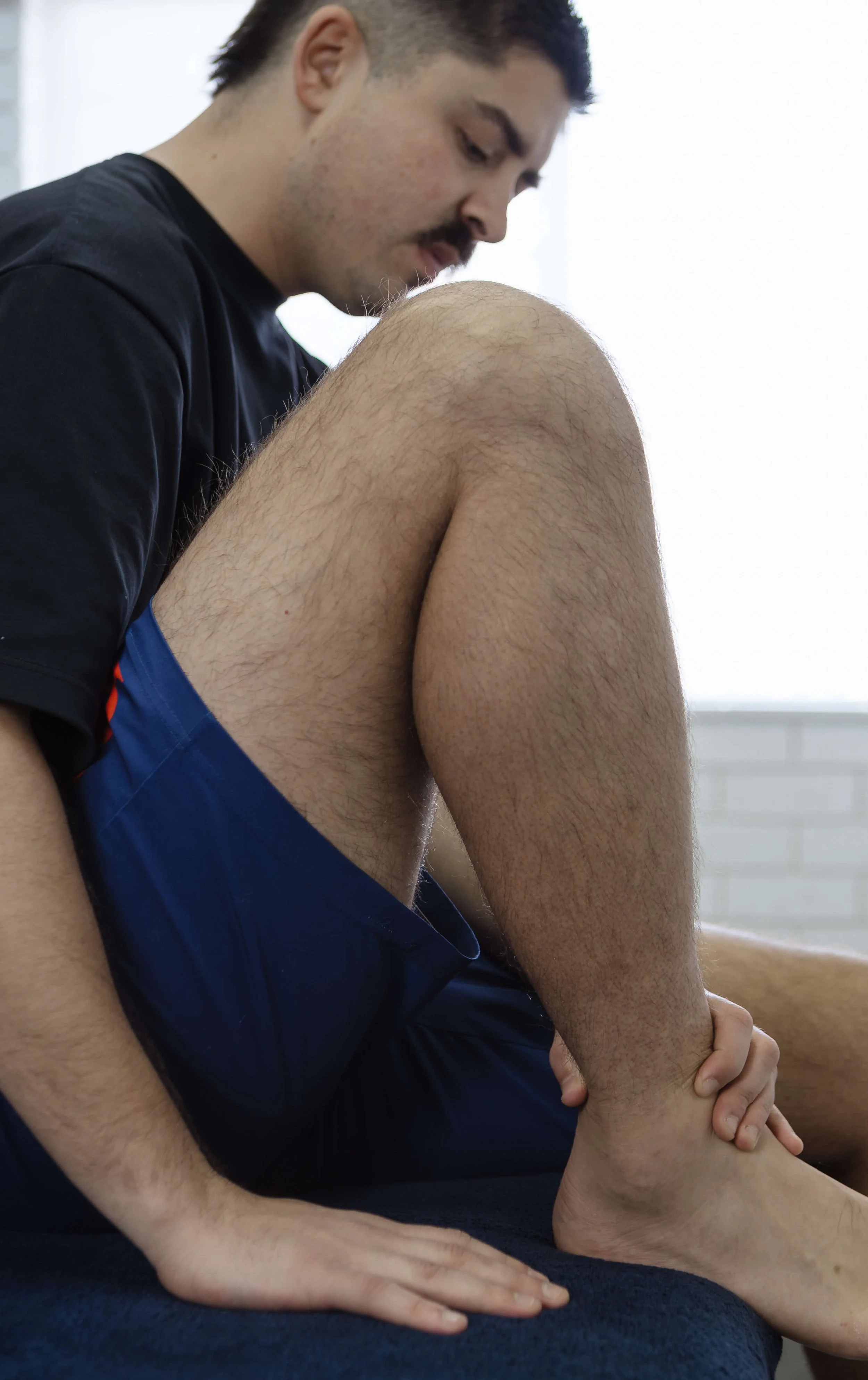
Why Choose Nudge Osteopathy for Lower Limb Pain?
✅ Whole-body assessment—we don't just look at where it hurts
✅ Thorough 60 minute initial consultations—no rushed appointments
✅ Hands-on treatment combined with targeted rehabilitation
✅ Gait and biomechanical analysis included in your assessment
✅ Convenient Wantirna location—serving Knox, Boronia, Bayswater & Eastern suburbs
✅ HICAPS available—instant private health rebates
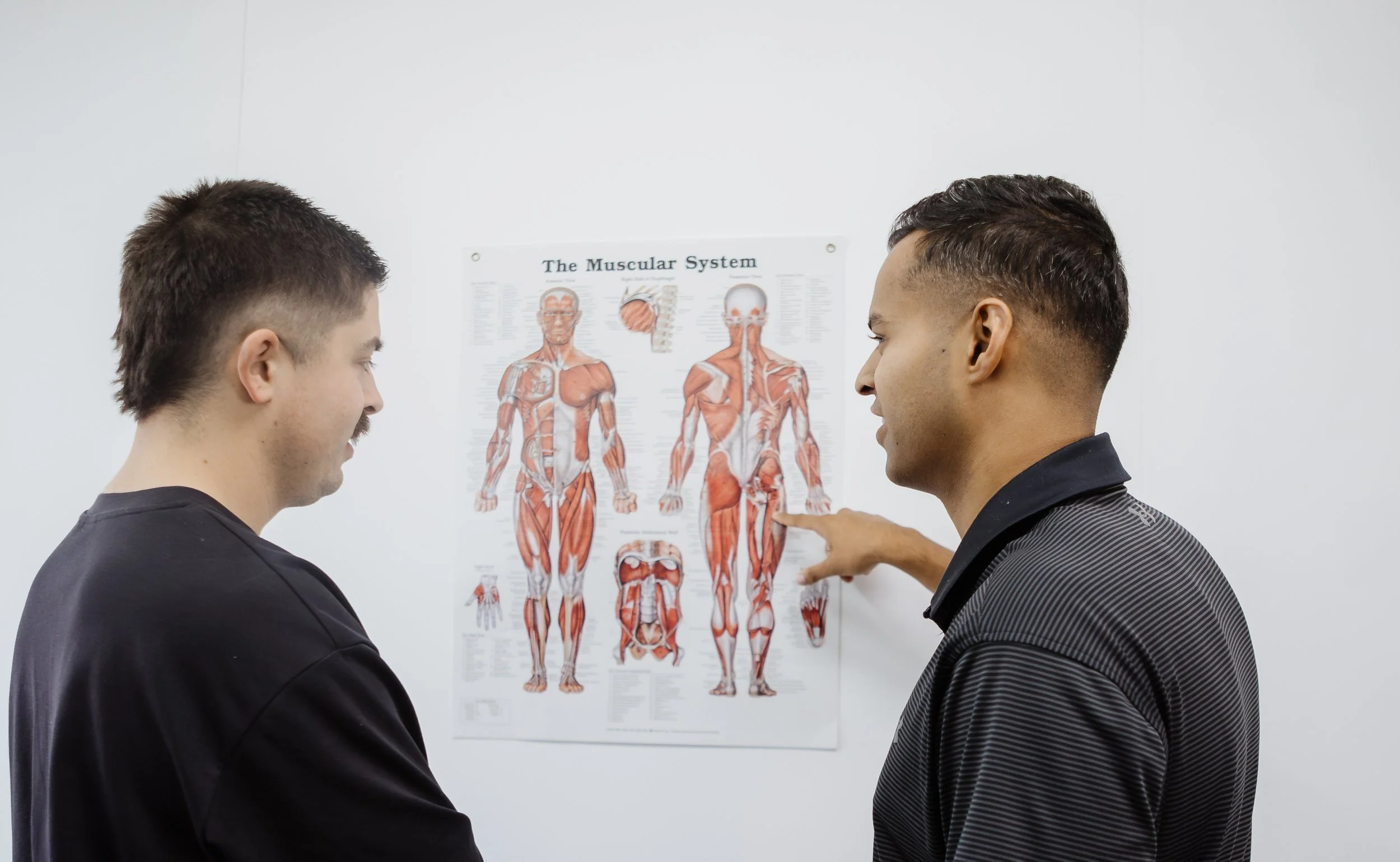
Your hip affects your knee. Your knee affects your ankle. Your ankle affects your foot—and your foot affects everything above it.
The lower limb is a kinetic chain. A restriction in one area forces compensations elsewhere. That's why:
Hip arthritis can cause knee pain
Tight calf muscles can cause plantar fasciitis
Flat feet can contribute to hip and knee pain
An old ankle sprain can alter your gait and load your hip unevenly
This is why osteopathy works. We don't isolate your painful part. We assess your entire lower quadrant—lumbar spine, pelvis, hips, knees, ankles, feet—and treat the underlying cause, not just the symptom.
The Connected Lower Limb: Why Everything Is Connected
Hip Conditions We Treat
-
Description:
Gradual onset of groin, buttock, or thigh pain. Morning stiffness. Pain with weight-bearing activities—walking, standing, rising from chairs. Grating or catching sensations. Reduced range of motion.Who it affects:
Common in adults over 50, but can occur earlier—especially with previous injury, hip dysplasia, or family history.How we help:
Joint mobilisation: Gentle, specific movements to improve hip range and reduce pain
Soft tissue release: Addressing tight hip flexors, adductors, gluteals, and piriformis
Traction: Gentle distraction of the hip joint to decompress articular surfaces
Strengthening prescription: Targeted exercises for hip stabilisers to unload the joint
Gait retraining: Optimising how you walk to reduce joint stress
Activity modification: Strategies to stay active while managing symptoms
Outcome: Reduced pain, improved mobility, delayed need for surgical intervention, better quality of life.
-
Description:
Pain on the outside of your hip, often worse when lying on that side, walking, or standing for long periods. Tenderness over the bony prominence of your hip.Who it affects:
Runners, middle-aged women, and anyone with altered hip biomechanics. Often associated with tight ITB and weak gluteals.How we help:
Soft tissue therapy: Releasing tight tensor fasciae latae, gluteals, and ITB
Dry needling (if qualified/available) for trigger points
Gluteal strengthening: The foundation of long-term relief
Sleep posture advice: Positioning strategies to unload the painful side
-
Description:
Deep, aching groin pain. Sharp pinching sensation with deep hip flexion—squatting, lunging, sitting low. Common in active individuals.Who it affects:
Young to middle-aged athletes, particularly those in sports requiring repeated hip flexion (football, hockey, dancing, martial arts).How we help:
Joint mobilisation: Improving hip joint mechanics
Soft tissue release: Addressing surrounding muscular tightness
Movement retraining: Modifying squat and lunge patterns to reduce impingement
Strengthening: Supporting hip stability and control
-
Description:
Deep ache in the buttock. May refer pain, pins and needles, or numbness down the back of the leg—mimicking sciatica. Pain with sitting, climbing stairs, or hip rotation.Who it affects:
Runners, cyclists, desk workers, and anyone who sits for prolonged periods.How we help:
Soft tissue release: Deep gluteal and piriformis techniques
Stretching prescription: Specific piriformis and hip rotator stretches
Postural advice: Sitting modifications to reduce nerve compression
Differentiation: We're careful to distinguish piriformis syndrome from true radicular sciatica
Knee Conditions We Treat
-
Description:
Pain around or behind your kneecap. Worse with squatting, kneeling, running, stairs (especially descending), or prolonged sitting with bent knees ("movie-goer's knee").Who it affects:
Runners, cyclists, adolescents, and adults with patellar tracking dysfunction. Very common—and very responsive to treatment.How we help:
Patellofemoral joint mobilisation: Improving kneecap mobility and tracking
Soft tissue therapy: Releasing tight quadriceps, ITB, hamstrings, and calves
Strengthening prescription: VMO (inner quadriceps) activation and gluteal strengthening—the glutes are key to patellofemoral health
Taping: Immediate symptom relief during activity
Biomechanical assessment: Foot posture, knee alignment, hip control
Outcome: Most patients experience significant improvement within 4-8 sessions when combined with prescribed rehabilitation.
-
Description:
Gradual onset of knee pain, stiffness (especially after rest), crepitus (grinding/cracking), swelling, and reduced walking tolerance.Who it affects:
Commonly adults over 45-50, but can occur earlier post-injury (post-traumatic osteoarthritis).How we help:
Joint mobilisation: Gentle, graded movements to improve range and reduce pain
Soft tissue therapy: Addressing surrounding muscular tightness
Strengthening prescription: Quadriceps, hamstrings, and gluteals to unload the joint
Gait retraining: Optimising walking mechanics
Activity modification: Load management without stopping movement
Outcome: Reduced pain, improved function, delayed surgical intervention. Many patients avoid or postpone knee replacement through consistent conservative care.
-
Description:
Sharp, localised knee pain. Swelling (may be delayed). Locking, catching, or giving way. Difficulty fully straightening or bending the knee.Who it affects:
Athletes (acute twisting injuries) and older adults (degenerative meniscal tears).How we help:
Joint mobilisation: Improving range of motion without irritating the meniscus
Soft tissue therapy: Addressing compensatory muscle tightness
Rehabilitation: Progressive loading program under guidance
Surgical triage: We help identify when surgery is necessary versus when conservative care is appropriate
-
Description:
Pain on the outside of your knee. Worse with running (especially downhill), cycling, or walking long distances. Often tender over the bony prominence on the outer knee.Who it affects:
Runners, cyclists, and athletes with tight ITB and weak hip abductors.How we help:
Soft tissue therapy: Releasing ITB, tensor fasciae latae, and gluteals
Foam roller guidance: Proper technique for self-management
Strengthening: Gluteus medius activation is essential
Training load advice: Managing mileage and intensity
-
Description:
Pain at the bottom of your kneecap (patellar tendon) or at the top (quadriceps tendon). Worse with jumping, squatting, running, or kneeling.Who it affects:
Jumping athletes (volleyball, basketball), runners, and active adults.How we help:
Eccentric loading programs: The gold standard for tendinopathy rehabilitation
Soft tissue therapy: Addressing surrounding muscle tension
Load management: Activity modification to allow healing
Shockwave therapy (if available) for chronic, resistant cases
Ankle Conditions We Treat
-
Description:
Sharp, stabbing heel pain with your first steps in the morning or after prolonged sitting. Pain eases with movement but may return after long periods on your feet.Who it affects:
Runners, people who stand for work, those with tight calves or high arches, and individuals with sudden increases in activity.How we help:
Soft tissue therapy: Deep release of plantar fascia and calf muscles
Dry needling (if qualified/available) for gastrocnemius and soleus trigger points
Stretching prescription: Specific calf and plantar fascia stretches
Strengthening: Intrinsic foot muscle activation
Taping: Immediate symptomatic relief
Night splint advice: When appropriate
Footwear guidance: What to look for in supportive shoes
Outcome: Significant improvement within 4-8 sessions with consistent home care. Chronic cases may require longer management.
-
Description:
Pain, stiffness, and sometimes swelling along the Achilles tendon. Worse in the morning, improving with gentle movement. Painful with walking, running, or jumping.Who it affects:
Runners, middle-aged "weekend warriors," and individuals with sudden increases in activity or poor footwear.How we help:
Eccentric loading programs: The cornerstone of Achilles rehabilitation
Soft tissue therapy: Gentle techniques to improve tendon mobility
Calf stretching and strengthening: Addressing the muscle-tendon unit
Footwear assessment: Heel height, support, and wear patterns
Load management: Training modification without complete rest
Red flag: Acute, complete rupture requires immediate medical attention.
-
Description:
Lateral ankle pain, swelling, and bruising following an inversion injury (rolling the ankle). Chronic cases present with recurrent "giving way," persistent ache, and fear of re-injury.Who it affects:
Anyone—but particularly common in netball, basketball, football, and hikers.How we help:
Acute phase: Gentle mobilisation, lymphatic drainage for swelling, protected weight-bearing advice
Sub-acute phase: Progressive joint mobilisation, soft tissue therapy, proprioceptive retraining
Chronic phase: Strengthening, balance training, sport-specific return-to-play preparation
Taping/bracing advice: When and how to use external support
Outcome: Most acute ankle sprains resolve well with early, appropriate care. Chronic instability requires consistent rehabilitation but responds well.
-
Description:
Pain along the inner border of your shin bone. Worse at the beginning of a run, easing somewhat during, and more painful afterward. Tender to touch.Who it affects:
Runners, particularly those new to running, increasing mileage too quickly, or running on hard surfaces. More common in individuals with flat feet or poor ankle mobility.How we help:
Soft tissue therapy: Releasing tight deep posterior compartment muscles
Dry needling (if qualified/available) for tibialis posterior and soleus
Biomechanical assessment: Foot posture, gait analysis
Strengthening: Calf and intrinsic foot muscles
Training load advice: Surface selection, mileage progression, recovery strategies
-
Description:
Sharp, burning pain in the ball of the foot, often radiating into the 3rd and 4th toes. Feeling of "walking on a pebble" or a folded sock. Numbness in the affected toes.Who it affects:
More common in women (narrow, high-heeled shoes), runners, and individuals with high-arched or flat feet.How we help:
Soft tissue therapy: Releasing intrinsic foot muscles and intermetatarsal space
Joint mobilisation: Improving tarsal and metatarsal mechanics
Footwear advice: Toe box width, heel height, lacing techniques
Metatarsal padding: Offloading strategies
Referral: When podiatry or orthotic intervention is indicated
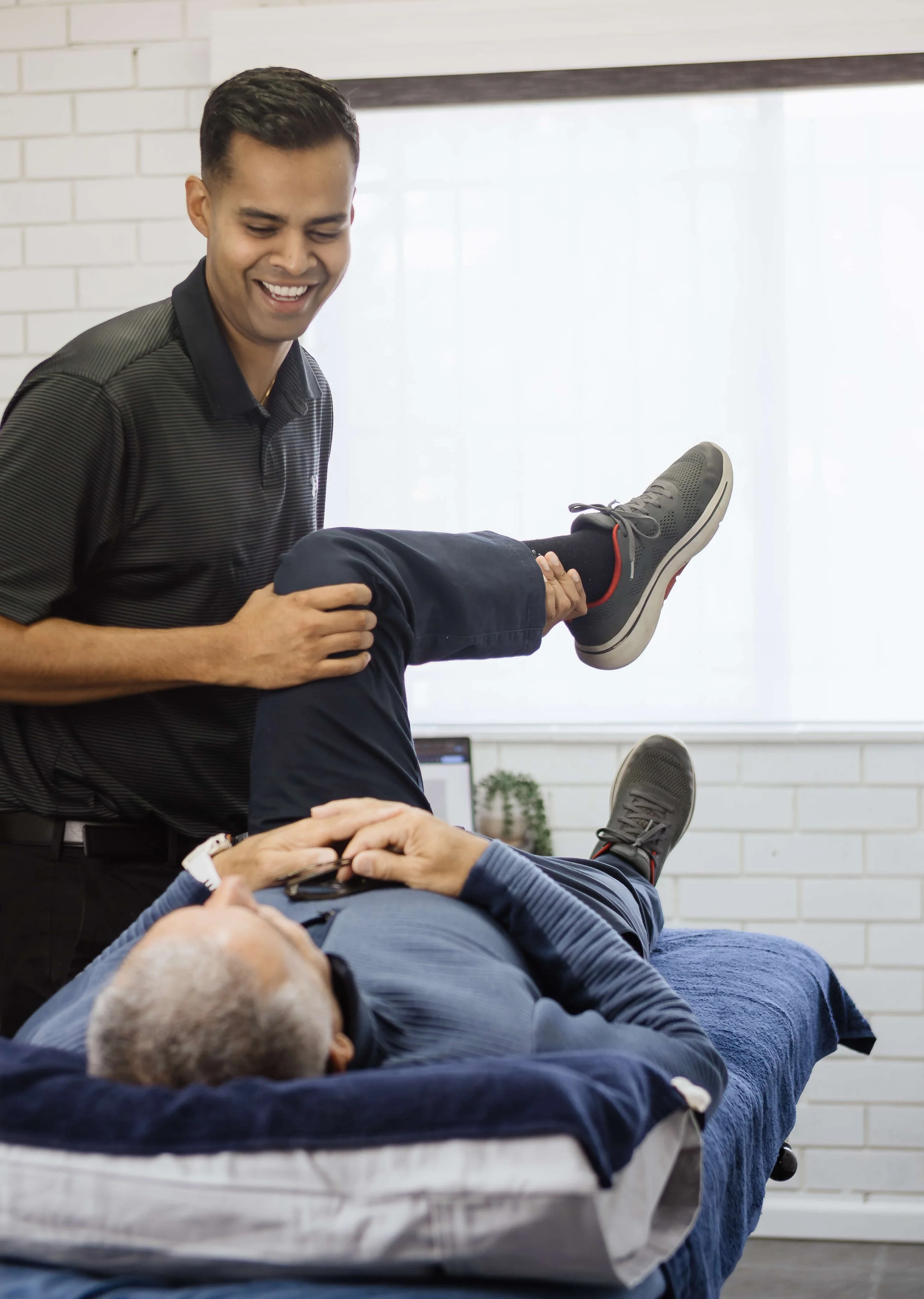
When to See an Osteopath for Lower Limb Pain
Book an appointment if:
Your hip, knee, or ankle pain has persisted beyond a few days
Pain is affecting your walking, work, or daily activities
You've modified or stopped exercise due to pain
You have recurrent ankle sprains or your ankle "gives way"
You're worried about arthritis and want non-surgical options
You have morning stiffness in your hips or knees
You want a second opinion before considering surgery
Seek immediate medical attention if:
You cannot bear weight on your leg at all
Your joint looks deformed or obviously dislocated
You have a popliteal (behind knee) swelling that feels pulsatile—possible aneurysm
You have signs of deep vein thrombosis (DVT)—calf swelling, warmth, redness, with or without chest pain/shortness of breath
You have an acute, complete Achilles rupture—you heard/felt a pop, cannot push off, may have a palpable gap
When in doubt, call us. We're happy to advise whether you should come in or seek emergency care.
Our 3-Phase Approach to Lower Limb Pain
Phase 1: Comprehensive Assessment (Your First Visit)
Your first appointment is 60 minutes. We need to understand your pain, your body, and your goals.
We'll take a detailed history:
When did your pain begin? Was there an injury or gradual onset?
What activities aggravate or ease your pain?
Have you had previous injuries, surgeries, or imaging?
What are your goals—walking pain-free, returning to sport, avoiding surgery?
We'll perform a physical examination:
Gait analysis: How you walk—we may observe you barefoot and shod
Postural assessment: Standing alignment, leg length, foot posture
Range of motion: Active and passive movement of hips, knees, ankles, feet
Orthopaedic testing: Specific tests for meniscus, ligaments, tendinopathy, impingement
Palpation: Identifying specific tender structures
Neurological screening: Reflexes, sensation, motor power
Kinetic chain assessment: Examining joints above and below your painful area
You'll leave knowing:
What's causing your pain
Whether osteopathy is appropriate for your condition
Your personalised treatment plan
Expected recovery timeline
Phase 2: Personalised Treatment
Your treatment plan is tailored to your specific condition, your body, and your goals.
Manual Therapy Techniques We Use:
For the Hip:
Hip joint mobilisation: Specific movements to improve range and reduce pain
Muscle energy technique: Using muscle contractions to release hip rotators and flexors
Soft tissue therapy: Piriformis, gluteals, TFL, adductors, iliopsoas
Traction: Distraction of the hip joint
For the Knee:
Patellofemoral mobilisation: Improving kneecap mobility and tracking
Tibiofemoral mobilisation: Movements of the knee joint itself
Soft tissue therapy: Quadriceps, hamstrings, ITB, gastrocnemius
Manual traction: Distraction for osteoarthritic knees
For the Ankle & Foot:
Talocrural mobilisation: Improving ankle dorsiflexion (critical for gait)
Subtalar and midtarsal mobilisation: Addressing foot mechanics
Soft tissue therapy: Calf muscles, intrinsic foot muscles, plantar fascia
Scar tissue management: For post-surgical or post-injury adhesions
Exercise & Rehabilitation:
Your hands-on treatment creates the window for change. Exercise is how we keep that window open.
We prescribe:
Strengthening exercises: Targeted to your specific weaknesses (glutes are almost always involved)
Stretching: For tight structures limiting your movement
Proprioceptive training: Balance and stability work, especially for ankle sprains
Gait retraining: Specific cues to improve how you walk
Sport-specific preparation: When you're ready to return
Lifestyle & Ergonomic Advice:
Footwear assessment: What to wear for your specific activity and foot type
Training load management: How to progress safely
Workplace modifications: Standing desks, anti-fatigue mats, sitting posture
Sleep positioning: For hip pain (side-lying with pillow between knees)
Activity modification: What you can do while healing
Phase 3: Long-Term Management & Prevention
Our goal isn't temporary relief—it's lasting change and reduced recurrence risk.
We equip you with:
A home exercise program that fits your lifestyle
Understanding of your injury mechanism and how to prevent re-injury
Warm-up and cool-down strategies appropriate for your activity
Recognition of early warning signs
A maintenance plan appropriate for your needs
FAQs
"I've been told I need a hip/knee replacement but I want to avoid surgery. Can you help?"
1
Possibly. We've helped many patients delay or avoid joint replacement surgery through conservative care. The key factors: severity of your arthritis, your symptoms, your functional goals, and your commitment to rehabilitation. We're happy to assess and give you an honest opinion.
"I'm a runner and I've had this knee pain for months. Do I need to stop running?"
2
Not necessarily. Complete rest isn't usually the answer—it's relative rest. We help you find your pain-free window, modify your training, and address the biomechanical drivers. Most runners can continue some running during rehabilitation.
"Will my private health insurance cover osteopathy for these conditions?"
3
Yes. Most Australian private health funds provide rebates for osteopathic treatment. We have HICAPS on-site for instant claiming.
"I have flat feet. Is that why my knees hurt?"
4
Possibly. Foot posture influences the entire kinetic chain. We assess your feet as part of our comprehensive examination and may recommend footwear modifications or refer you to a podiatrist if orthotics are indicated.
"How is osteopathy different from physiotherapy for these conditions?"
5
Both professions are excellent and there's significant overlap. Osteopathy traditionally takes a particularly whole-body approach—we're always assessing the joints above and below, and we use a broad range of hands-on techniques. The most important factor is finding a practitioner you trust and connect with.
Our Wantirna Location
We're conveniently located in Wantirna, serving:
Local suburbs: Wantirna, Wantirna South, Boronia, Bayswater, Knoxfield, Scoresby, Ferntree Gully, Rowville, Vermont, and surrounding Eastern Melbourne suburbs
Nearby landmarks: Westfield Knox, Wantirna Health, Eastland Shopping Centre, Aquanation
Parking: Free, easy-access parking available right outside
Don't Let Lower Limb Pain Slow You Down
That limp you've developed. The stairs you avoid. The walk you used to enjoy but now dread. The sport you've put on hold.
Your body is capable of more than your pain is telling you.
Our Wantirna osteopaths are here to help you understand why you're hurting, treat the underlying cause, and get you moving again—whether that's walking pain-free, returning to running, or simply playing with your grandchildren without discomfort.
📞 Call us today: (03) 9720 2640
📧 Email: niraj@nudgeosteopathy.com
📍 Visit: 6B The Mall, Wantirna VIC 3152
Have more questions? Visit our FAQ or Contact Us.
Related Conditions We Treat
Medical Disclaimer
This information is for educational purposes only and is not a substitute for professional medical advice, diagnosis, or treatment. Always seek the advice of your osteopath, physician, or other qualified health provider with any questions you may have regarding a medical condition.