
Neck & Shoulder Pain Treatment in Wantirna
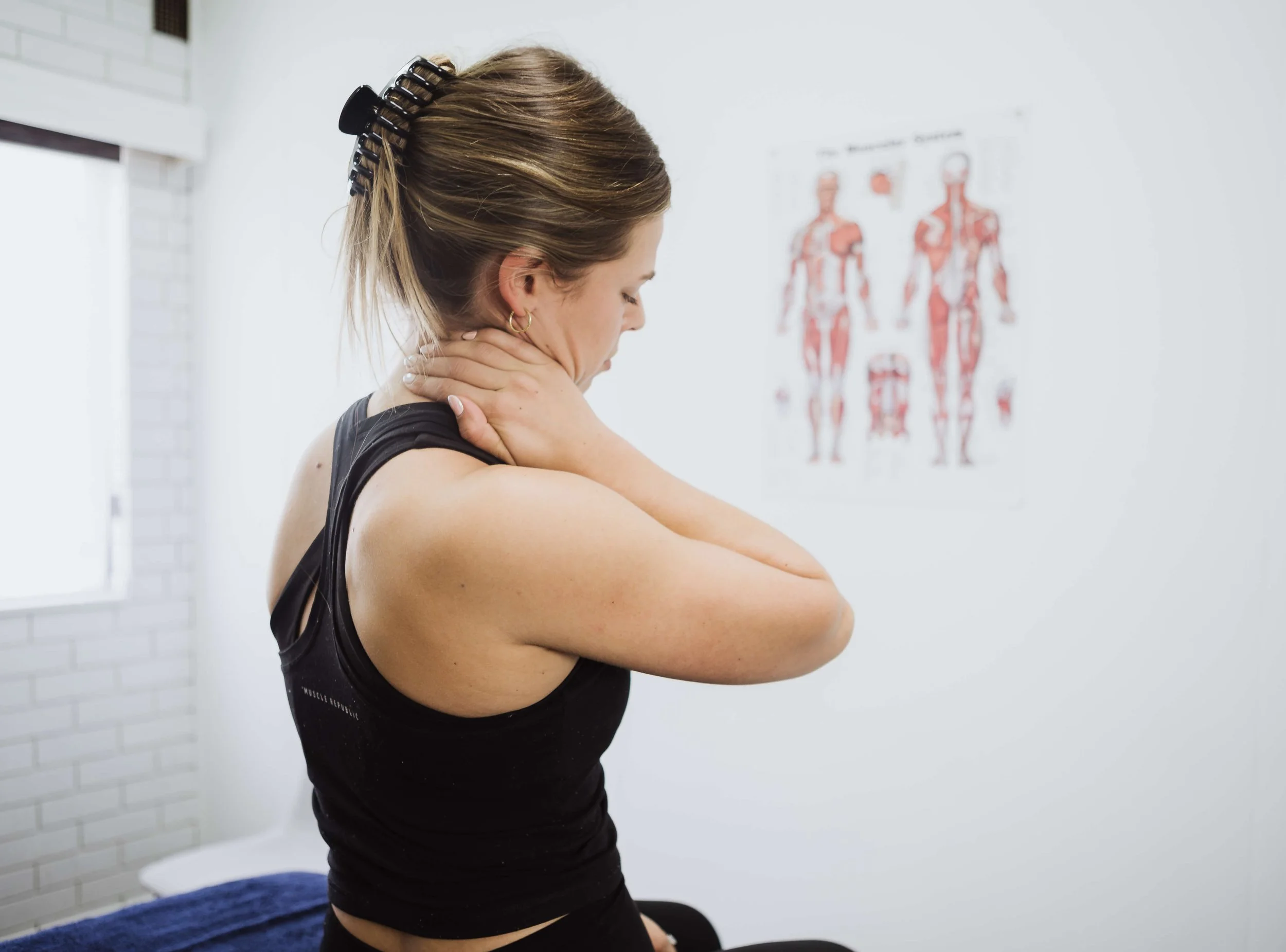
Do you wake up with a stiff neck that won't turn? Carry stress and tension in your shoulders? Get headaches that start at the base of your skull and radiate forward?
You're not alone—and we can help.
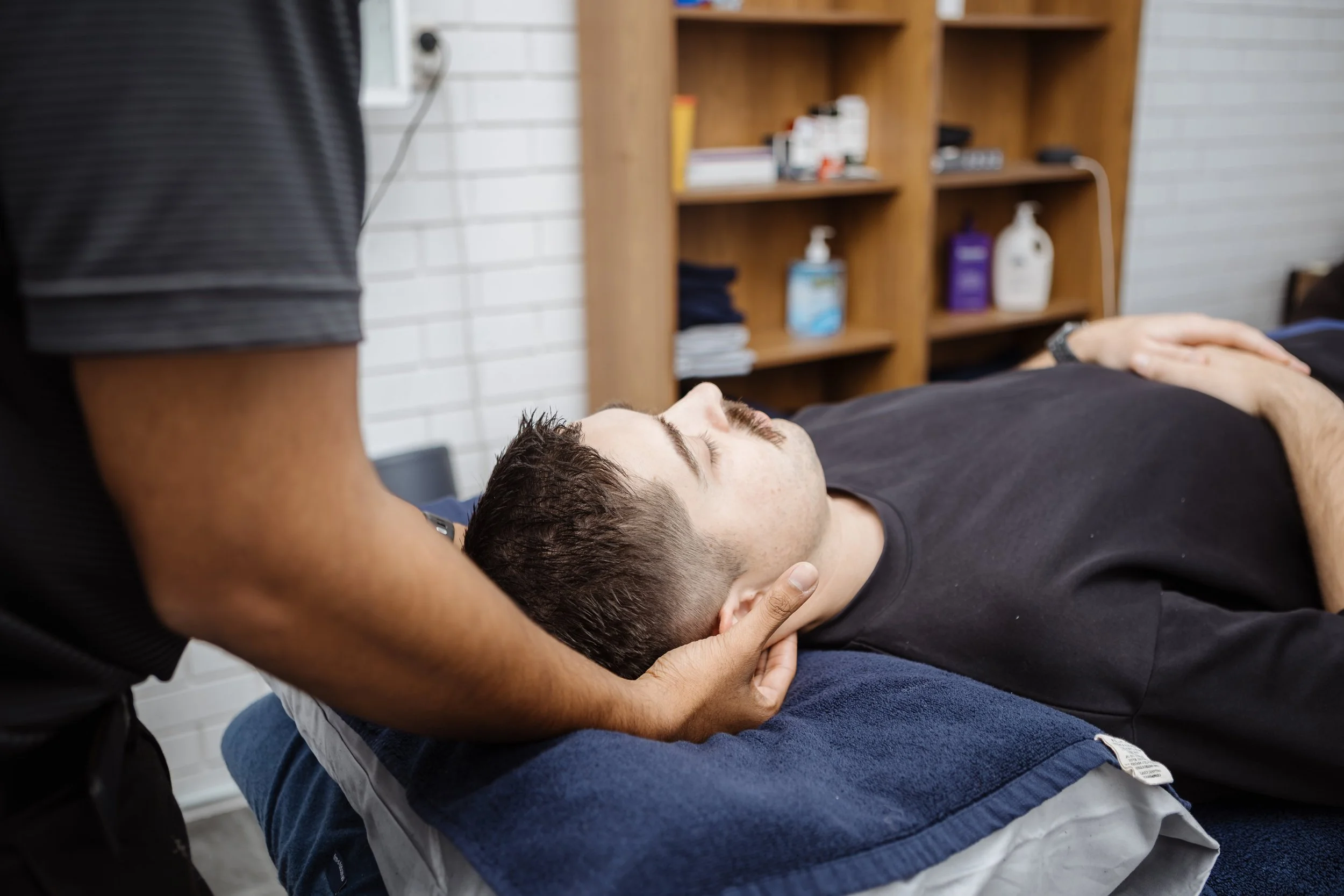
At Nudge Osteopathy in Wantirna, we treat neck and shoulder pain every day. From acute wry neck (can't turn your head) to chronic tension from desk work, our hands-on approach releases restrictions, restores movement, and addresses the underlying causes of your pain.
Why Choose Nudge Osteopathy for Your Neck Pain?
✅ Thorough Experience in complex back and spinal conditions
✅ Thorough 45-60 minute assessments—we don't rush
✅ Hands-on treatment combined with practical rehabilitation
✅ Located in Wantirna—convenient for Knox, Boronia, Bayswater & Eastern suburbs
✅ HICAPS available—claim your private health rebate on the spot
Types of Neck Pain We Treat
Acute Wry Neck (Torticollis)
You woke up this morning and your head is stuck to one side. Turning is excruciating. This is urgent—and we often see patients on the same day.
Chronic Neck Stiffness
That constant "need to crack" sensation. Limited range of motion. Discomfort that's always there in the background.
Cervicogenic Headaches
Headaches that originate from the neck—typically starting at the base of the skull and travelling forward to the forehead or behind the eyes.
Whiplash-Associated Disorders
Neck pain following a motor vehicle accident, sports collision, or fall. Often delayed—pain may not peak until 24-48 hours after injury.
Cervical Radiculopathy (Pinched Nerve)
Pain, pins and needles, numbness, or weakness radiating down one arm. Often caused by a disc bulge or bone spur irritating a nerve root.
Postural Neck Pain
The cumulative effect of forward head posture—hours spent looking at screens, driving, or reading. Your head weighs 4-5kg; for every inch it moves forward, the load on your neck muscles doubles.
Types of Shoulder Pain We Treat
Rotator Cuff Injuries
Your rotator cuff is a group of four muscles that stabilise your shoulder. Injuries range from mild tendinopathy to partial or full-thickness tears.
Shoulder Impingement
Pain when lifting your arm overhead—often a pinching sensation. Caused by tendons or bursa being compressed in the subacromial space.
Frozen Shoulder (Adhesive Capsulitis)
Progressive stiffness and pain. Your shoulder capsule thickens and tightens, severely restricting movement. Can take months to resolve—but osteopathy helps manage pain and preserve range.
AC Joint Dysfunction
Pain at the very top of your shoulder, where the collarbone meets the shoulder blade. Common in weightlifters and after falls.
Shoulder Instability
Your shoulder feels "loose" or "slippy." May be traumatic (dislocation) or atraumatic (generalised ligamentous laxity).
Referred Neck Pain
Not all shoulder pain originates in the shoulder. The neck frequently refers pain to the shoulder blade, upper arm, or even down to the elbow.
The Connection: Why Neck and Shoulder Pain Often Occur Together
Your neck and shoulders are mechanically linked. Tight upper trapezius muscles pull on your neck. Restricted cervical vertebrae alter how your shoulder blade moves. Rounded shoulders force your head forward.
This is why we treat you as a whole, not in parts.
An osteopath doesn't just look at where it hurts—we examine:
Your cervical spine (neck)
Your thoracic spine (upper back)
Your shoulder girdle and scapula
Your jaw (TMJ)—dysfunction here commonly refers pain to the neck
Your posture and movement patterns
Your workstation, pillow, and daily habits
Our 3-Phase Approach to Neck & Shoulder Pain
Phase 1: Comprehensive Assessment (Your First Visit)
Your first appointment is 60 minutes. We need to understand exactly what's happening and—just as importantly—why.
We'll assess:
Your cervical range of motion—flexion, extension, rotation, side-bending
Your shoulder active and passive range of motion
Orthopaedic special tests for specific structures (rotator cuff, impingement, instability)
Neurological screening—reflexes, sensation, motor power
Your posture in sitting and standing
Your workstation setup (bring photos if you like!)
Your sleep position and pillow
You'll leave knowing:
What's causing your pain
Whether osteopathy is appropriate for your condition
Your personalised treatment plan
Expected recovery timeline
Phase 2: Personalised Treatment
Your treatment plan is tailored to your specific presentation.
Manual Therapy Techniques We Use:
For the Neck:
Cervical spine mobilisation: Specific movements to improve joint mobility and reduce pain
Muscle energy technique: Using muscle contractions to release tension and improve range
Suboccipital release: Soft tissue work for the small muscles at the base of your skull—can be helpful for tension headaches
Traction: Distraction of cervical vertebrae to relieve pressure on discs and nerves
For the Shoulder:
Glenohumeral joint mobilisation: Restoring normal movement at the shoulder joint
Soft tissue therapy: Releasing tight rotator cuff muscles, pectorals, and upper trapezius
Scapular mobilisation: Improving movement of the shoulder blade on the rib cage
Myofascial release: Addressing restrictions in the connective tissue surrounding muscles
For the Upper Back:
Thoracic spine mobilisation: The upper back frequently contributes to neck and shoulder pain. Improving thoracic extension and rotation often relieves cervical symptoms.
Exercise & Rehabilitation:
Your hands-on treatment is only half the picture. Long-term relief requires active participation.
We prescribe:
Specific stretches for tight structures (upper traps, pectorals, scalenes, levator scapulae)
Strengthening exercises for weak stabilisers (deep neck flexors, lower trapezius, serratus anterior)
Postural re-education—retraining your body's default position
Nerve gliding for radicular symptoms (pinched nerves)
Lifestyle & Ergonomic Advice:
Workstation ergonomics: Screen height, chair setup, keyboard and mouse position
Sleep posture: Pillow height, sleeping position, and supportive strategies
Activity modification: How to continue your work, exercise, and daily activities without aggravating your pain
Stress management: The neck and shoulders are where we carry tension. We discuss practical strategies.
Phase 3: Long-Term Management & Prevention
Our goal isn't temporary relief. It's lasting change.
We equip you with:
A home exercise program that fits your lifestyle
Understanding of your pain triggers and early warning signs
Strategies to prevent recurrence
A maintenance plan appropriate for your needs
When to See an Osteopath for Your Neck & Shoulder Pain
Book an appointment if:
Your neck or shoulder pain hasn't improved after a few days
You're experiencing frequent headaches
Your sleep is affected by pain
You can't turn your head fully or lift your arm comfortably
You have pins and needles or numbness in your arm or hand
You carry tension in your shoulders and want relief
Seek immediate medical attention if:
Your pain follows significant trauma (fall, high-impact accident)
You have signs of stroke or TIA—sudden severe headache, visual disturbances, slurred speech, facial droop, weakness on one side of body
You have progressive weakness in your arm or hand
You have unexplained fever, night sweats, or unexplained weight loss (rare but requires investigation)
When in doubt, call us. We're happy to advise whether you should come in or seek emergency care.
FAQs
"I spend 8+ hours a day at a computer. Can osteopathy really help?"
1
Yes—and we see patients like you every week. We can't change your job, but we can change how your body copes with it. Treatment combined with workstation ergonomics and specific exercises makes a significant difference.
"My partner says I'm just stressed. Is this pain real or in my head?"
2
The pain is absolutely real. Stress manifests physically—increased muscle tension, altered breathing patterns, and heightened pain perception. We treat the physical component and help you understand the mind-body connection.
"I've had this popping/cracking in my neck for years. Should I be worried?"
3
Not necessarily. Joint noise without pain is generally harmless. If it's accompanied by pain, locking, or neurological symptoms, we should assess it.
"Will you crack my neck?"
4
We use a range of techniques. Some patients benefit from high-velocity, low-amplitude (HVLA) thrust techniques—what people call "cracking." Others prefer gentler mobilisations. We discuss your preferences and adapt our approach.
"Can you help with TMJ/jaw pain? It affects my neck too."
5
Yes. The temporomandibular joint is intimately connected to the cervical spine. We assess and treat jaw dysfunction as part of a comprehensive approach to neck and head pain.
Don't Let Neck & Shoulder Pain Become Your Normal
That nagging ache. The limited movement. The headaches that derail your afternoon. The tension you carry without even noticing anymore.
This isn't something you just have to live with.
Our Wantirna osteopaths are here to help you understand why you're in pain, treat its cause, and give you the tools to stay well.
📞 Call us today: (03) 9720 2640
📧 Email: niraj@nudgeosteopathy.com
📍 Visit: 6B The Mall, Wantirna VIC 3152
Have more questions? Visit our FAQ or Contact Us.
Our Wantirna Location
We're conveniently located in Wantirna, serving:
Local suburbs: Wantirna, Wantirna South, Boronia, Bayswater, Knoxfield, Scoresby, Ferntree Gully, Rowville, Vermont, and surrounding Eastern Melbourne suburbs
Nearby landmarks: Westfield Knox, Wantirna Health, Eastland Shopping Centre, Aquanation
Parking: Free, easy-access parking available right outside
Related Conditions We Treat
Medical Disclaimer
This information is for educational purposes only and is not a substitute for professional medical advice, diagnosis, or treatment. Always seek the advice of your osteopath, physician, or other qualified health provider with any questions you may have regarding a medical condition.