Runner's Knee: Understanding Patellofemoral Pain and How Osteopathy Can Help
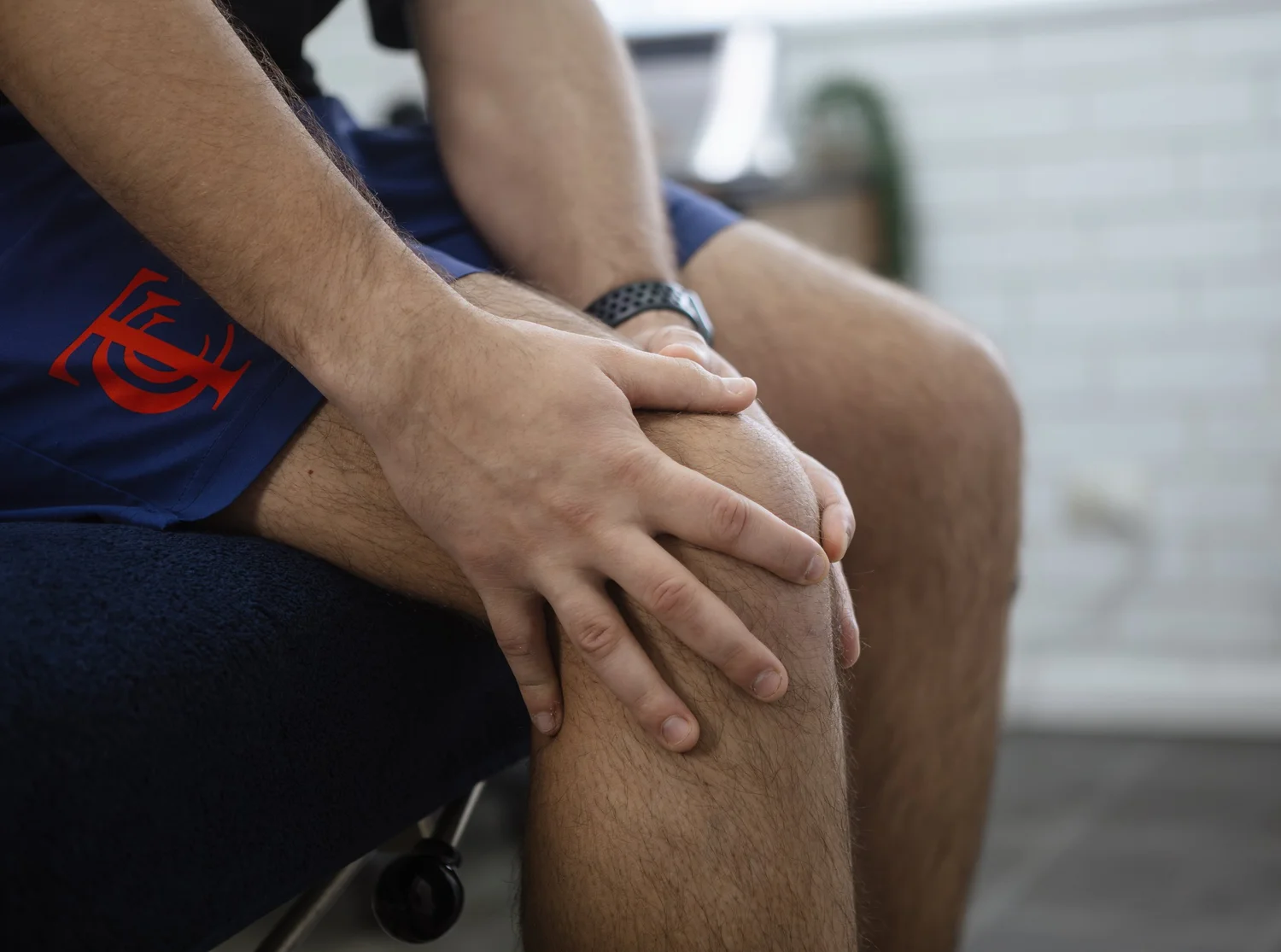

If you experience a dull, aching pain around or behind your kneecap during activities like running, squatting, or climbing stairs, you might be familiar with Runner's Knee. Clinically known as Patellofemoral Pain Syndrome (PFPS), this condition is one of the most common complaints among active individuals, affecting not just runners but anyone who places repeated stress on their knees.
Osteopathy offers a comprehensive approach to managing Runner's Knee by looking beyond the knee itself to identify and address the underlying biomechanical imbalances causing the pain.
Key Facts About Runner's Knee
PFPS is the most common running-related injury, but also frequently affects cyclists, hikers, and people with active occupations. It is primarily a mechanical issue involving an imbalance in the forces controlling the kneecap (patella) as it tracks through its groove on the thigh bone (femur). While pain is felt in the patellofemoral joint, it is distinct from arthritis and involves the soft tissues becoming irritated.
Common Causes and Risk Factors
Muscle Imbalances: Weakness in the hip muscles (especially the gluteus medius) and quadriceps can cause the thigh to rotate inwards, pulling the kneecap out of optimal alignment.
Poor Biomechanics: Issues with foot posture (such as overpronation/flat feet) or running gait can alter forces travelling up the leg and affect kneecap tracking.
Overload and Training Errors: A sudden increase in running intensity, duration, or frequency, or consistently running on hard or cambered surfaces.
Tight Soft Tissues: Tightness in the IT band, hamstrings, or calf muscles can change knee mechanics and increase pressure behind the kneecap.
Direct Trauma: A fall or direct blow to the kneecap can also initiate the pain cycle.
Common Signs and Symptoms
Dull, aching pain behind or around the kneecap. Activity-related pain worse during running, squatting, climbing/descending stairs, or prolonged sitting with bent knees ("theatre sign"). A grinding or clicking sensation under the kneecap when bending and straightening. Mild swelling around the kneecap may sometimes be present.
How Can Osteopathy Help with Runner's Knee?
Osteopathic management of PFPS focuses on correcting the faulty mechanics overloading the patellofemoral joint. We assess the entire lower limb and pelvis to find the root cause.
During the initial consultation, we take a detailed history of pain, training habits, and footwear; perform a physical examination assessing alignment, mobility, and strength; and conduct a functional biomechanical assessment of posture, gait, and the mobility of hips, ankles, and feet. Treatment involves: reducing pain and muscle tension with soft tissue massage and myofascial release to the IT band, quadriceps, hamstrings, and calves; improving joint mobility through gentle mobilisation of the knee, hip, ankle, and foot; correcting biomechanical imbalances, often focusing on hip stability and gluteal muscle function; and providing personalised advice including activity modification, targeted exercises for hip stabilisers and quadriceps, running analysis and cueing, and footwear and orthotic considerations.
When to Seek Further Medical Help
Please consult your GP for severe pain preventing weight-bearing; a "popping" or "giving way" sensation at time of injury; significant or sudden swelling; locking or inability to fully straighten or bend the knee; signs of infection; or numbness, tingling, or weakness in the leg or foot.
Disclaimer: This blog post provides general information only and is not intended as a substitute for professional health advice, diagnosis, or treatment. Always consult a registered health practitioner for diagnosis and treatment of health conditions. Individual results from osteopathic treatment may vary. The exercise rehabilitation component is crucial for managing this condition.
