Achilles Tendinopathy: Understanding the Cause of Your Heel Pain and How Osteopathy Can Help
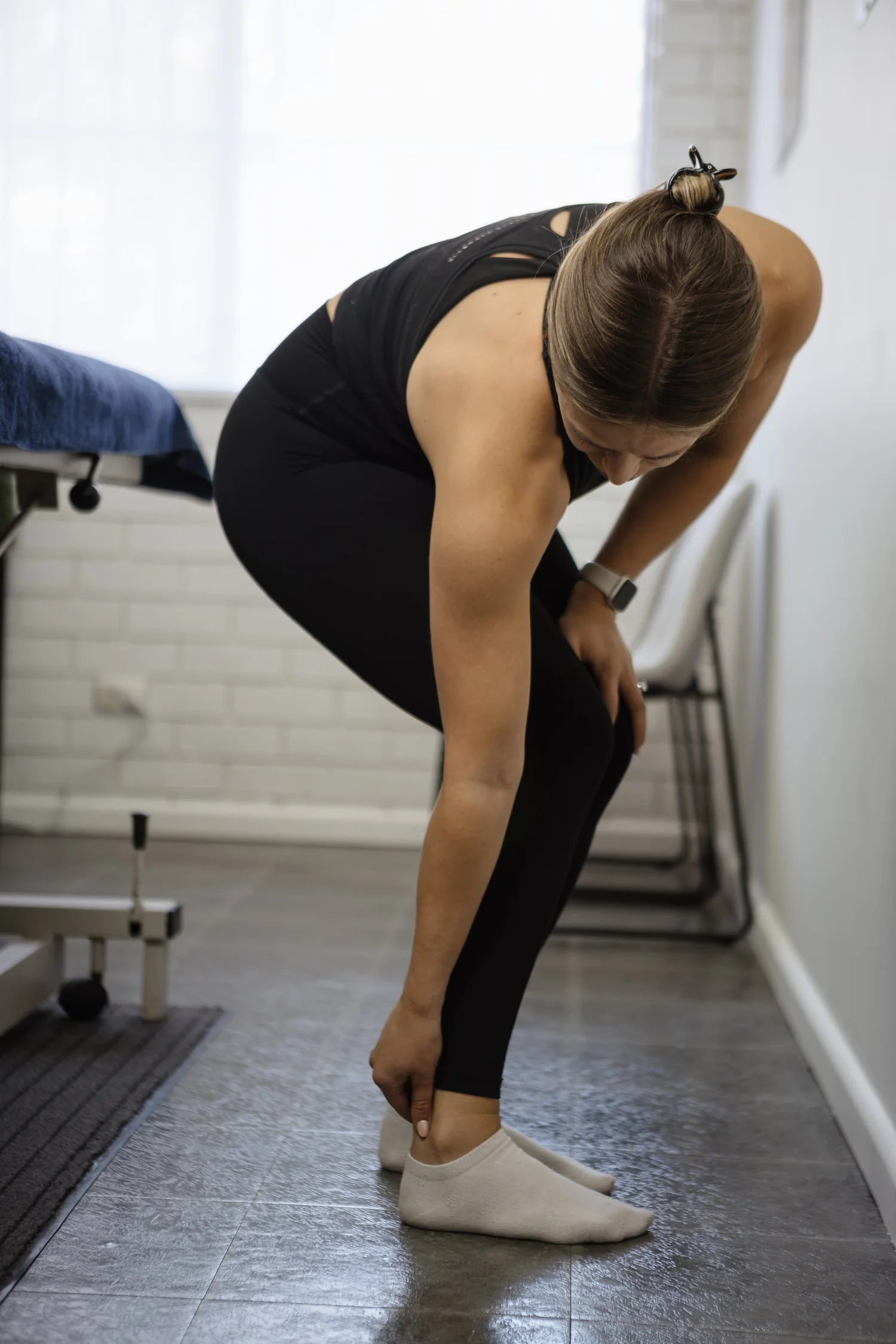

Pain in the back of your heel or along your Achilles tendon can be a significant setback for active individuals. Known as Achilles tendinopathy, this condition involves the thick, powerful tendon that connects your calf muscles to your heel bone. It is a common injury that, without the right approach, can become persistent and frustrating.
Osteopathy offers a comprehensive and evidence-informed approach to managing Achilles tendinopathy. We focus not only on the painful tendon but on the entire musculoskeletal system to identify and correct the underlying factors that led to the problem.
Key Facts About Achilles Tendinopathy
Achilles tendinopathy is primarily a condition of failed healing and degeneration within the tendon, rather than acute inflammation (which is why the older term "tendinitis" is less accurate). It frequently affects runners, court-sport athletes, and "weekend warriors" between 30 and 50 years of age. It is fundamentally a condition of mismatched load: when the stress placed on the tendon exceeds its capacity to recover.
Common Causes and Risk Factors
Sudden Increase in Activity: A rapid uptick in running volume, intensity, or frequency, or a return to sport after inactivity.
Poor Biomechanics: Weak calf muscles, poor hip stability, or excessive foot pronation can alter how forces travel up the leg and increase strain on the tendon.
Tight Calf Muscles: Reduced flexibility in the gastrocnemius and soleus places excessive tension on the Achilles tendon.
Inappropriate Footwear: Shoes with poor cushioning or support, or a sudden switch to minimalist footwear.
Training on Hard or Uneven Surfaces: Consistently running on concrete or cambered roads can contribute to overload.
Systemic Factors: Certain medications and medical conditions can sometimes influence tendon health.
Common Signs and Symptoms
Pain and stiffness along the tendon (2-6cm above the heel bone) or at its insertion on the heel, worst upon taking first steps in the morning or after rest. The tendon may appear thickened and be tender to touch. Pain worsens during or after activity, particularly running, jumping, or pushing off on the affected leg. The area may feel warm due to increased blood flow associated with the healing process.
How Can Osteopathy Help with Achilles Tendinopathy?
Osteopathic management is tailored to the stage of tendinopathy. The primary goals are to manage pain, gradually restore the tendon's load-bearing capacity, and correct the biomechanical faults that contributed to the injury.
During the initial consultation, we take a detailed history of pain, training habits, footwear, and daily activities; perform a physical examination to assess the tendon's health, calf strength, and ankle range of motion; and conduct a biomechanical assessment of posture, gait, and the function of feet, knees, and hips. Treatment involves: reducing pain and muscle tension with soft tissue massage and myofascial release to tight calf muscles; improving joint mobility through gentle mobilisation of the ankle, foot, knee, and hip; addressing contributing factors such as stiff foot joints or poor pelvic stability; and providing personalised load management advice, a progressive evidence-based rehabilitation program (including eccentric heel drops), footwear and orthotic recommendations, and a balanced stretching and strengthening program.
When to Seek Immediate Medical Help
Please consult your GP or seek urgent care for a sudden "pop" or "snap" in the back of the calf or heel (possible tendon rupture, often with inability to stand on toes); severe pain and inability to bear weight; signs of infection (fever, significant redness, warmth, or swelling); or numbness or tingling in the foot.
Disclaimer: This blog post provides general information only and is not intended as a substitute for professional health advice, diagnosis, or treatment. Always consult a registered health practitioner for diagnosis and treatment of health conditions. Individual results from osteopathic treatment may vary. The exercise rehabilitation component, particularly progressive tendon loading, is crucial for managing this condition.
