Jaw Clenching: More Than Just a Habit - How Osteopathy Can Help
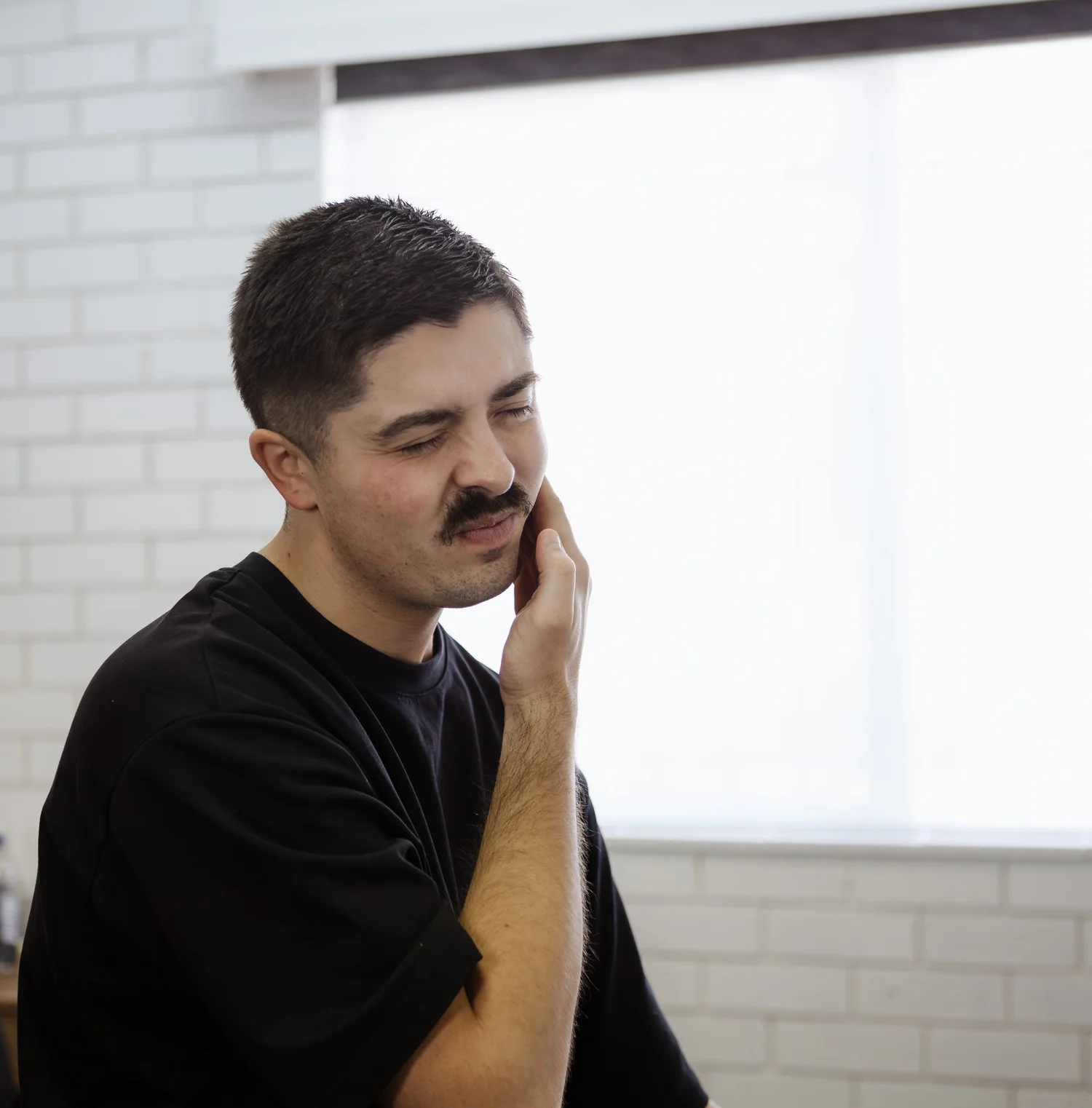

That tight feeling in your jaw, morning headaches, or unexplained tooth sensitivity might be signs of a common yet often overlooked issue: jaw clenching and grinding, medically known as bruxism. While often occurring during sleep, bruxism can also happen unconsciously during the day, placing significant stress on your jaw joints, muscles, and teeth.
Osteopathy takes a holistic view of bruxism. Instead of just addressing the jaw, we look at the interconnected systems of your body to identify and treat the underlying tensions and imbalances that contribute to this habit.
Key Facts About Jaw Clenching (Bruxism)
Sleep bruxism is estimated to affect approximately 13% of adults, with many cases going undiagnosed. Chronic clenching can lead to tension headaches, neck and shoulder pain, and Temporomandibular Joint (TMJ) disorders beyond just dental damage. It is rarely caused by a single factor but is typically a physical manifestation of stress, postural strain, or sleep-related issues.
Common Causes and Contributing Factors
Stress and Anxiety: The most frequently cited trigger. Emotional stress often manifests as physical tension in the muscles of mastication (chewing).
Postural Strain: Poor posture, especially a forward head position, increases strain on the muscles supporting the jaw and can alter jaw alignment.
Sleep Disorders: Bruxism is commonly associated with sleep disturbances such as sleep apnoea.
Musculoskeletal Imbalances: Tension and dysfunction in the neck, shoulders, and upper back can refer strain into the jaw muscles.
Dental Factors: An abnormal bite or missing teeth can be a contributing factor.
Lifestyle Factors: Excessive caffeine or alcohol intake and certain medications can increase muscle activity.
Common Signs and Symptoms
Jaw pain or stiffness, especially upon waking. Tension-type headaches starting at the temples or base of the skull. Worn, flattened, or chipped teeth noticed by your dentist. Tooth sensitivity due to enamel wear. Clicking, popping, or locking of the jaw indicative of TMJ strain. Earache or tinnitus due to the proximity of jaw muscles to ear structures. Enlarged jaw muscles (masseters) giving a square-jawed appearance.
How Can Osteopathy Help with Jaw Clenching?
Osteopathic treatment focuses on reducing the overall physical tension that drives the clenching reflex. We assess the entire posture and musculoskeletal system to find the source of strain.
During the initial consultation, we take a detailed history of symptoms, stress levels, sleep quality, and daily habits; perform a gentle physical examination of the jaw (TMJ) assessing its movement and surrounding muscle tension; and conduct a postural assessment of the neck, shoulders, and upper back to identify contributing imbalances. Treatment involves: releasing muscle tension with soft tissue massage, myofascial release, and stretching to the jaw, face, neck, and shoulders; gentle mobilisation of the TMJ and neck and upper back joints to restore normal function and reduce compressive forces; addressing cervical and thoracic spine restrictions to improve posture and reduce mechanical pull on the jaw; calming the nervous system through gentle osteopathic techniques; and providing personalised advice including jaw awareness and relaxation exercises, postural and ergonomic adjustments, stress management strategies, and referral guidance for a dental night guard.
When to Seek Dental or Medical Help
A collaborative approach is best. Please consult your dentist for dental assessment and custom-fitted occlusal splint (night guard). Consult your GP or dentist for persistent pain or jaw dysfunction; suspected sleep apnoea; or unmanaged stress or anxiety.
Disclaimer: This blog post provides general information only and is not intended as a substitute for professional health advice, diagnosis, or treatment. Always consult a registered health practitioner for diagnosis and treatment of health conditions. The management of bruxism often requires a multidisciplinary approach. Osteopathic care addresses musculoskeletal contributors and should be considered a complementary therapy alongside dental care. Individual results from osteopathic treatment may vary.
