Foam Rolling: A Helpful Tool and How Osteopathy Guides Its Use
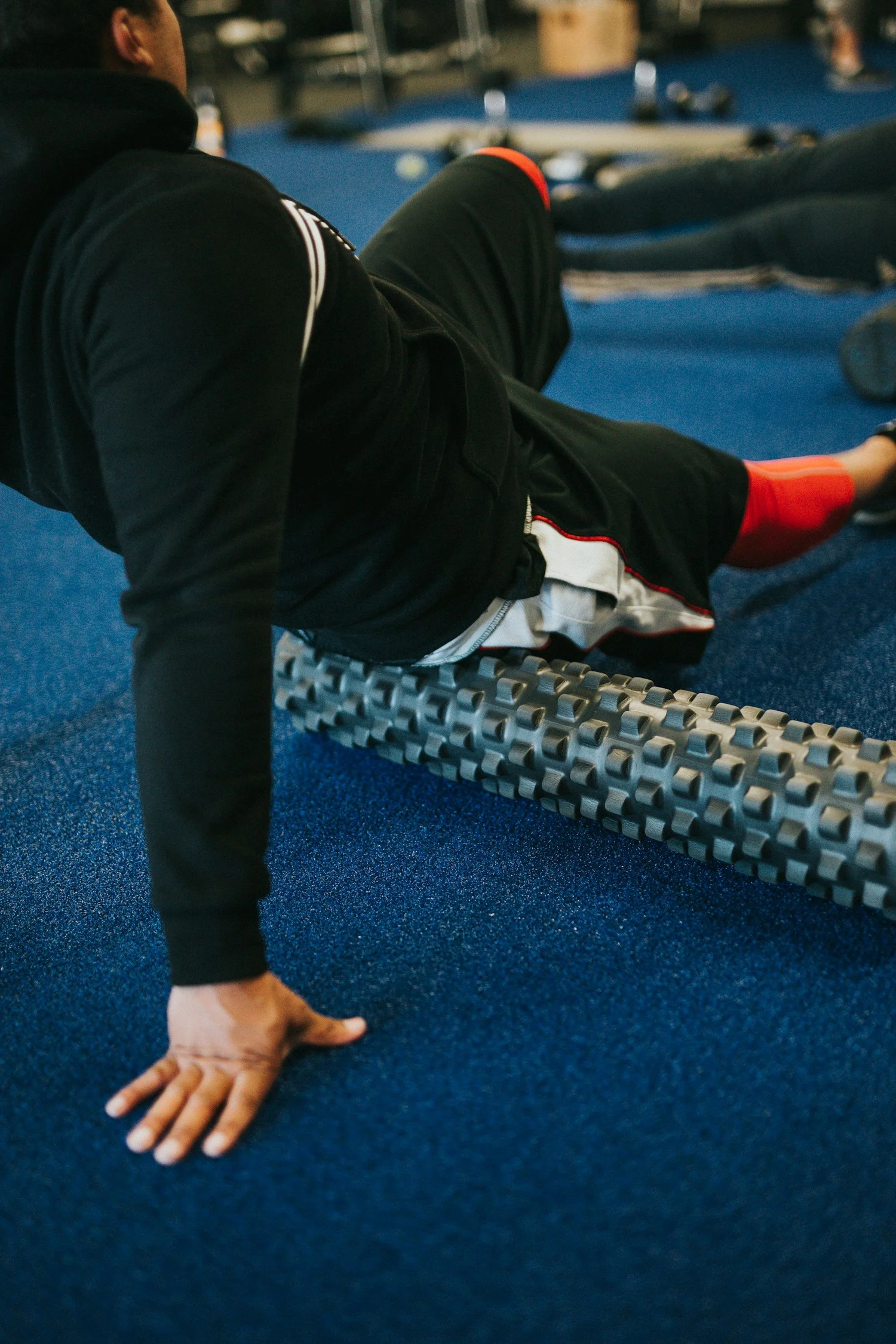

In the world of fitness and recovery, the foam roller has become a common sight. This simple tool is promoted for self-massage, aiming to relieve muscle tightness and improve flexibility. But what does the evidence say, and how does it fit within a broader approach to musculoskeletal health?
Osteopathy values tools that support the body's inherent capacity for balance and healing. While foam rolling can be a useful adjunct, it is most effective when guided by professional assessment.
Key Facts About Foam Rolling
Foam rolling is a form of Self-Myofascial Release (SMR): it applies pressure to muscles and fascia to potentially reduce tightness and improve tissue glide. Current evidence suggests its main benefits may come from influencing the nervous system, temporarily reducing the sensation of pain and improving tolerance to stretch, rather than permanently altering muscle length. It is an adjunct, not a cure-all — a helpful self-management tool that does not replace professional diagnosis or treatment.
Potential Benefits of Foam Rolling
When used appropriately, foam rolling may help with: temporary pain reduction, particularly for DOMS after exercise; improving short-term range of motion when used prior to activity as part of a dynamic warm-up; promoting body awareness by tuning into areas of tension; and supporting recovery routines as a relaxing element of post-activity cool-down.
How to Foam Roll Safely and Effectively
Roll slowly (about 1-2 cm per second) over the target muscle. Focus on areas of tension but avoid rolling directly over bones or joints. Control the pressure using your body weight. Maintain steady breathing to help relax the muscle. Limit time to 30-90 seconds per muscle group.
When NOT to Foam Roll (Contraindications)
Do not foam roll: over acute injuries such as recent sprains, strains, fractures, or bruising; over inflamed or infected areas including skin infections or thrombophlebitis; directly on joints, bones, or the spine; over areas of numbness or nerve pain; if you have certain medical conditions such as osteoporosis, bleeding disorders, or DVT (consult your GP or osteopath first); or if it causes sharp, radiating, or nerve-like pain (stop immediately).
How Osteopathy Complements and Guides Foam Rolling
An osteopath can determine if your muscle tightness is a primary issue or a secondary symptom of a joint dysfunction, nerve irritation, or postural imbalance elsewhere. Osteopathic techniques are specific and tailored — we can gently mobilise stiff joints, release deep fascial restrictions, and relax hypertonic muscles with precision a foam roller cannot achieve. We provide personalised advice on which specific muscles benefit most from foam rolling for you, the correct technique and duration, when to integrate it into your routine, and what other exercises are needed to address the underlying cause. Foam rolling can be a useful homework component prescribed within a broader osteopathic treatment and rehabilitation plan.
Disclaimer: This blog post provides general information only and is not intended as a substitute for professional health advice, diagnosis, or treatment. Always consult a registered health practitioner, such as your GP or osteopath, for diagnosis and treatment of health conditions. Do not use foam rolling to self-diagnose or self-treat injuries. If you experience pain during or after use, discontinue and seek professional advice. Individual responses may vary. Osteopathic care provides a comprehensive assessment and treatment plan tailored to your specific needs.
